Home elevators might seem like a luxury reserved for the rich and famous, but they’re becoming a staple in many households. Imagine gliding effortlessly between floors while your friends lug their groceries up the stairs—talk about a power move! But just like any superstar, home elevators need a little TLC to keep shining.
Importance of Home Elevator Maintenance
Home elevator maintenance plays a crucial role in ensuring safety and functionality. Regular upkeep minimizes the risk of accidents and malfunctions, safeguarding both people and property. Consistent inspections help identify potential issues before they become serious problems, saving homeowners from costly repairs.
Routine maintenance, which typically includes checking mechanical components and ensuring proper lubrication, keeps the elevator running smoothly. Trained technicians can perform these checks during scheduled visits, providing peace of mind for families that rely on the elevator daily. Keeping records of maintenance activities can also enhance accountability and ensure adherence to recommended service schedules.
Timely maintenance increases the lifespan of the equipment. Research shows that well-maintained elevators last longer and operate more efficiently. Families that prioritize maintenance enjoy reduced energy costs and a more reliable means of transportation between floors.
Safety features, such as emergency brakes and alarm systems, require regular testing to function correctly. Regular inspections confirm these systems are operational and comply with safety standards. Trusting a certified service provider for maintenance guarantees adherence to safety regulations and industry best practices.
Overall, maintaining a home elevator is essential for ensuring optimal performance and safety. Homeowners who prioritize maintenance benefit from a seamless experience and enhanced property value. Investing in scheduled upkeep translates to higher efficiency and significant long-term savings.
Common Issues with Home Elevators
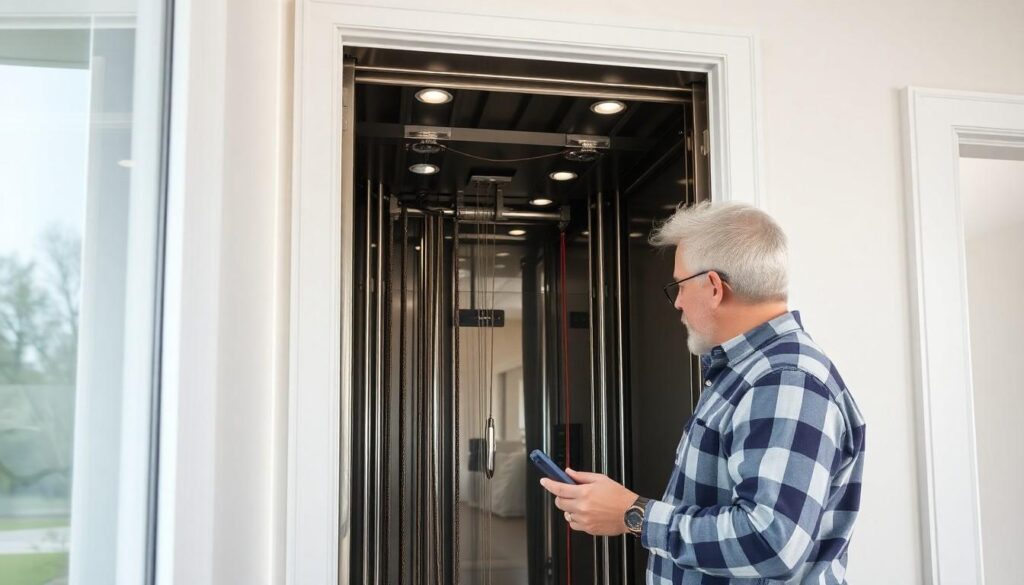
Home elevators can encounter various issues affecting their performance. Understanding these common problems helps homeowners maintain functionality.
Mechanical Problems
Mechanical problems often involve wear and tear on components like cables and pulleys. Issues can arise if lubrication isn’t applied regularly, leading to friction and equipment failure. Additionally, malfunctioning door operators can prevent the elevator doors from opening or closing smoothly. Inspecting these parts during routine maintenance is crucial for preventing breakdowns and ensuring reliable operation. Homeowners should address these concerns promptly to avoid costly repairs and safety hazards.
Electrical Failures
Electrical failures frequently result from worn wiring or faulty control systems. Sometimes, breakers trip unexpectedly, cutting power to the elevator. Regular inspection of electrical components can identify potential issues before they escalate. It’s advisable to check emergency systems and backup power, ensuring they remain in good working order. Keeping electrical elements well-maintained enhances safety and improves overall system reliability.
Routine Maintenance Checklist
Routine maintenance is essential for keeping home elevators in peak condition. Regular checks prevent issues and enhance safety.
Monthly Inspections
Monthly inspections ensure all components function correctly. Inspect cables for signs of wear, as fraying can lead to malfunctions. Check door operators regularly to confirm they open and close smoothly. Lubricate moving parts to reduce friction, which may hinder performance. Ensure sensors work effectively to prevent accidents. Review the control panel for any warning lights or error messages. Clean the elevator’s interior and exterior to maintain aesthetic appeal. These small, consistent efforts significantly contribute to the elevator’s longevity.
Annual Maintenance Tasks
Annual maintenance tasks help identify larger issues. Schedule a comprehensive inspection with a certified technician for thorough mechanical checks. Inspect the entire elevator system, including pulleys, gears, and wiring, to catch any problems early. Evaluate safety features, including emergency alarms and battery backups, ensuring compliance with safety standards. Update any outdated components to enhance performance and reliability. Document all maintenance activities for future reference and warranty compliance. Performing these annual tasks increases energy efficiency and maintains property value.
Professional Maintenance Services
Professional maintenance services play a critical role in ensuring home elevators operate safely and efficiently. Regular engagement with qualified technicians helps maintain the reliability and performance of the system.
Choosing the Right Service Provider
Selecting a qualified service provider demands careful consideration. Start by verifying certifications and experience in home elevator maintenance. Seek providers endorsed by reputable manufacturers or industry organizations. Reviews and testimonials can offer insight into their competence and reliability. Prioritize companies that offer comprehensive service agreements, ensuring they address various components and safety checks. Local providers might also understand specific regional building codes and regulations, which can enhance compliance and safety.
Costs of Professional Maintenance
Understanding the costs associated with professional maintenance informs budgeting decisions. Routine inspections typically range from $150 to $400 per visit, depending on the service complexity. Annual contracts often provide cost savings, averaging between $600 to $1,200 yearly. Factors influencing these costs include elevator type, frequency of service, and location. Homeowners should account for potential additional repairs when calculating expenses. Investing in preventive maintenance pays off by minimizing costly breakdowns and extending equipment lifespan. With these considerations in mind, homeowners can choose service plans that align with their needs and ensure their elevators function optimally.
DIY Maintenance Tips
Homeowners can perform several simple maintenance tasks to keep their elevators in optimal condition. Start by inspecting cables and pulleys for signs of wear. Look for fraying or corrosion, as these issues can lead to malfunctioning systems.
Lubricate moving parts regularly. Using the right lubricant helps reduce friction and prolongs the lifespan of components. Make sure to apply lubricant to door operators and other mechanical mechanisms.
Check the functionality of door sensors. Testing this safety feature ensures that the elevator operates without risks. Activate the door sensors during routine checks to confirm correct operation.
Verify the operation of control buttons. Ensure all buttons respond properly when pressed. If control issues arise, they can indicate underlying electrical problems requiring attention.
Examine the elevator pit for debris. Keeping the pit clean prevents blockages and promotes efficient operation. Regular cleaning minimizes risks associated with dust and dirt accumulation.
Review the elevator’s power source. Confirm that the power connections remain secure and free from wear. Loose wiring can lead to unexpected disruptions in service.
Conduct monthly inspections using a checklist. Keeping a log of maintenance activities supports warranty compliance and provides a record for future assessments. Documenting efforts reflects responsible ownership.
Finally, maintain open communication with professional service providers. Schedule annual inspections for comprehensive evaluations by certified technicians. Consistent professional checks enhance reliability and safety, ensuring a smoothly functioning home elevator.
Regular maintenance of home elevators is essential for safety and functionality. By prioritizing routine inspections and addressing common issues promptly, homeowners can enhance the longevity and reliability of their elevators. Investing in professional services ensures adherence to safety standards while DIY checks empower homeowners to take proactive steps in maintaining their systems.
Establishing a maintenance schedule not only minimizes repair costs but also boosts property value. With the right care and attention, home elevators can provide seamless convenience for years to come. A well-maintained elevator is more than just a luxury; it’s a valuable asset that contributes to a safer and more efficient home environment.