When it comes to home maintenance, roof repair often gets the short end of the stick. After all, who wants to climb up a ladder when there’s Netflix waiting? But ignoring that pesky leak could lead to a waterfall in your living room, and trust us, that’s not the kind of indoor pool anyone wants.
Overview of Roof Repair
Roof repair plays a critical role in maintaining a safe and functional home. Addressing issues early prevents minor problems from escalating into costly repairs. Understanding common roofing problems is vital for homeowners.
Leaks represent one of the most common concerns. Water damage can compromise structural integrity and lead to mold growth. Identifying and repairing leaks promptly minimizes damage.
Missing shingles also require immediate attention. Shingles protect against weather elements, and missing ones expose the roof to further damage. Replacing them quickly maintains the roof’s effectiveness.
Another issue is deterioration from severe weather. High winds, heavy snow, or intense sunlight can weaken roofing materials. Regular inspections help detect weather-related wear and tear early.
Homeowners often overlook flashing, a material that seals joints and roof penetrations. Damaged flashing can lead to significant leaks and moisture issues. Ensuring flashing is intact helps maintain roof integrity.
Flat roofs often encounter their set of challenges. Ponding water can cause leaks and deterioration over time. Regular maintenance, including cleaning drains and ensuring proper drainage, is essential.
Costs associated with roof repair vary based on issues and materials. On average, homeowners might spend between $300 and $1,200 for repairs. Seeking professional estimates ensures clarity about expenses.
Schedule inspections at least twice a year and after significant weather events. Regular assessments help catch problems early. Professionals have the expertise to identify problems that may not be visible to the untrained eye.
Common Roof Issues
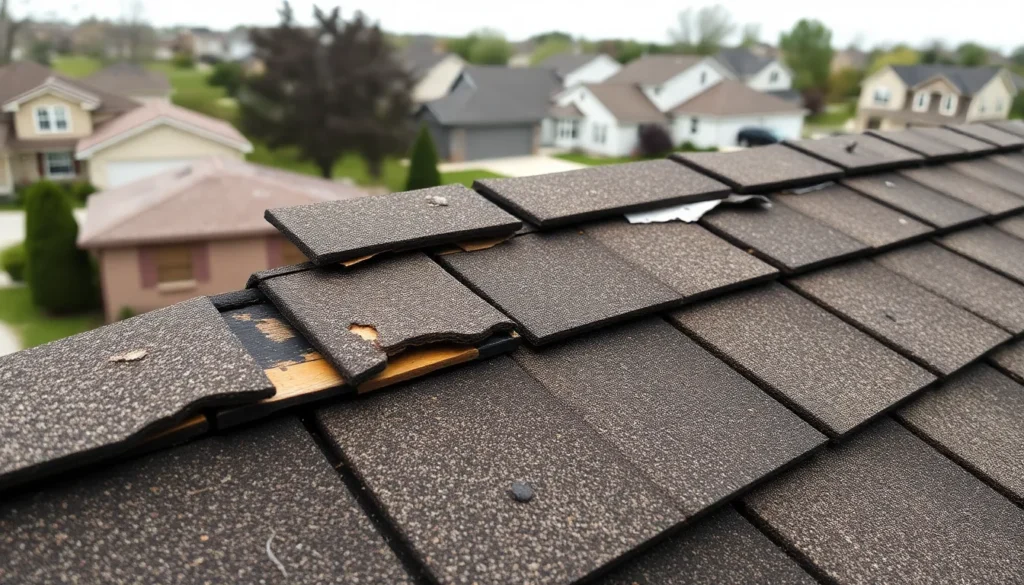
Homeowners should recognize common roof issues that can lead to significant problems. Identifying these problems early minimizes costly repairs.
Leaks and Water Damage
Leaks pose a major threat to roofs, often originating from damaged shingles or compromised flashing. Water damage can escalate quickly, leading to structural issues and mold growth. Inspections reveal leaks that aren’t immediately visible. A small leak can cause extensive damage, resulting in repair costs significantly exceeding average expenses. To mitigate risks, homeowners should inspect their roofs after severe weather.
Aging and Wear
Aging and wear affect every roof over time, with shingles deteriorating and underlayment breaking down. Common indicators include curled or missing shingles. Regular inspections can catch these signs before they escalate into severe issues. Roofs typically last 20 to 30 years, but maintenance extends their lifespan. Preventive measures, like cleaning gutters and addressing minor issues promptly, are crucial in preserving roof integrity.
Types of Roof Repair
Several types of roof repairs address specific issues that can arise over time. Understanding these categories helps homeowners make informed decisions.
Shingle Replacement
Shingle replacement occurs when asphalt, wood, or metal shingles sustain damage from weather extremes or age. Signs requiring shingle replacement often include missing shingles, cracks, or curling edges. Professional evaluation identifies the extent of the damage and whether localized repairs suffice or complete replacement is necessary. Replacing damaged shingles prevents leaks and further deterioration. Costs for shingle replacement vary, averaging between $200 to $1,000, depending on the roof size and material type. Timely attention to shingle issues maintains roof integrity and enhances overall home aesthetics.
Flashing Repair
Flashing repair focuses on the metal strips installed around chimneys, vents, and valleys to direct water away from these vulnerable areas. Compromised flashing leads to leaks, allowing water to infiltrate the home. Regular inspections after severe weather reveal potential flashing issues. Repairing or replacing damaged flashing safeguards the underlying structures and prevents extensive water damage. Typical costs for flashing repair range from $200 to $500, influenced by the repair scope and accessibility. Maintaining proper flashing is crucial in avoiding costly repairs linked to wood rot or mold growth throughout the home.
Choosing a Roofing Contractor
Selecting the right roofing contractor is crucial for successful roof repairs. A qualified contractor ensures quality workmanship and American Roofing Contractors Association (ARCA) standards are met.
Credentials and Experience
Verify credentials before hiring a contractor. Look for proper licensing and insurance to protect against liability. Experienced contractors offer insights into specific roofing materials, techniques, and potential issues specific to local climates. Prioritize those with at least five years of experience, as this often correlates with successful project outcomes. Check online reviews and ratings to gauge customer satisfaction. Personal recommendations from friends or family can also provide valuable leads.
Cost Estimates and Quotes
Request detailed quotes from multiple contractors to understand costs. Estimates should itemize labor and materials, with clear explanations for each line. Roof repair costs typically vary between $300 and $1,200, influenced by factors like material types and roof complexity. Contractor transparency regarding additional costs can help avoid surprises. Ensure that the estimates include any necessary permits or inspections to provide a comprehensive understanding of total expenses.
DIY Roof Repair Tips
Homeowners can address minor roof issues before they escalate into costly repairs. Inspecting the roof regularly helps identify potential problems. Use binoculars to check for missing shingles or visible wear from the ground. Look for dark spots or damp areas that indicate leaks.
When repairing damaged shingles, homeowners can replace them rather than repair them if the damage is extensive. Removing nails from old shingles allows for easier installation of new ones. It’s important to slide the new shingle under the existing ones for optimal sealing. Apply roofing adhesive in addition to nails for added security.
Flashing maintenance plays a key role in preventing leaks. Replacing damaged or rusted flashing around chimneys and vents ensures a watertight seal. Homeowners should use a high-quality roofing cement for effective sealing.
For minor leaks, using sealant can provide a temporary fix. Apply it generously to the affected area but keep in mind that this isn’t a permanent solution. Monitoring the repair helps determine if professional assistance is needed later.
Gutters require regular cleaning to prevent water backing up onto the roof. Clearing debris allows for proper drainage, reducing the risk of water damage. Homeowners may also need to check the gutter system for proper alignment and functionality.
Finally, performing regular maintenance extends the roof’s lifespan. Cleaning moss or algae buildup prevents deterioration. Scheduling inspections after major storms allows homeowners to catch potential damages early, thereby reducing the risk of extensive repairs down the line.
Roof repair is essential for maintaining a safe and secure home. By addressing issues promptly homeowners can prevent minor problems from escalating into costly repairs. Regular inspections and maintenance not only extend the lifespan of a roof but also protect the home from potential water damage and structural issues.
Choosing the right contractor and staying proactive with repairs ensures that roofs remain in top condition. Homeowners should prioritize their roofs as a crucial part of their property and take the necessary steps to keep them well-maintained. Investing time and effort into roof care pays off in the long run, safeguarding both the home and its inhabitants.