When it comes to transforming a house into a home, designer furniture is the secret ingredient that elevates any space from drab to fab. Imagine sinking into a plush, expertly crafted sofa that not only cradles you in comfort but also turns your living room into a chic gallery. It’s like having a piece of art that you can actually sit on—who wouldn’t want that?
Investing in designer furniture isn’t just about style; it’s about making a statement. It’s the difference between a room that simply exists and one that invites compliments from friends and family. So, if you’re tired of your furniture looking like it came from a yard sale, stick around. Discover why designer pieces are worth every penny and how they can transform your space into a stylish sanctuary.
Overview of Designer Furniture
Designer furniture represents a blend of aesthetics and functionality. High-end furniture pieces transform interiors, turning ordinary environments into extraordinary living spaces. Quality craftsmanship, unique designs, and premium materials characterize these items, making them stand out.
Investing in designer furniture fulfills practical needs while enhancing the visual appeal of a home. Pieces often reflect current trends, timeless styles, or innovative concepts, offering diverse choices for homeowners. Iconic brands like Herman Miller, Knoll, and Cassina deliver renowned collections that exemplify designer excellence.
Functional art describes many designer furniture items, combining usability with eye-catching design. Comfort remains a priority, ensuring that chairs, sofas, and tables provide pleasant experiences. Individual preferences dictate selections, ranging from minimalist styles to bold statement pieces.
Durability marks another advantage of designer furniture. High-quality materials endure daily use, ensuring longevity compared to mass-produced alternatives. Sustainable practices also define many designer brands, appealing to environmentally conscious consumers.
Overall, the presence of designer furniture elevates a home’s atmosphere. It garners admiration, serves as a conversation starter, and reflects the homeowner’s taste and lifestyle. Prioritizing high-quality design leads to an inviting environment that blends comfort and style harmoniously.
Benefits of Investing in Designer Furniture
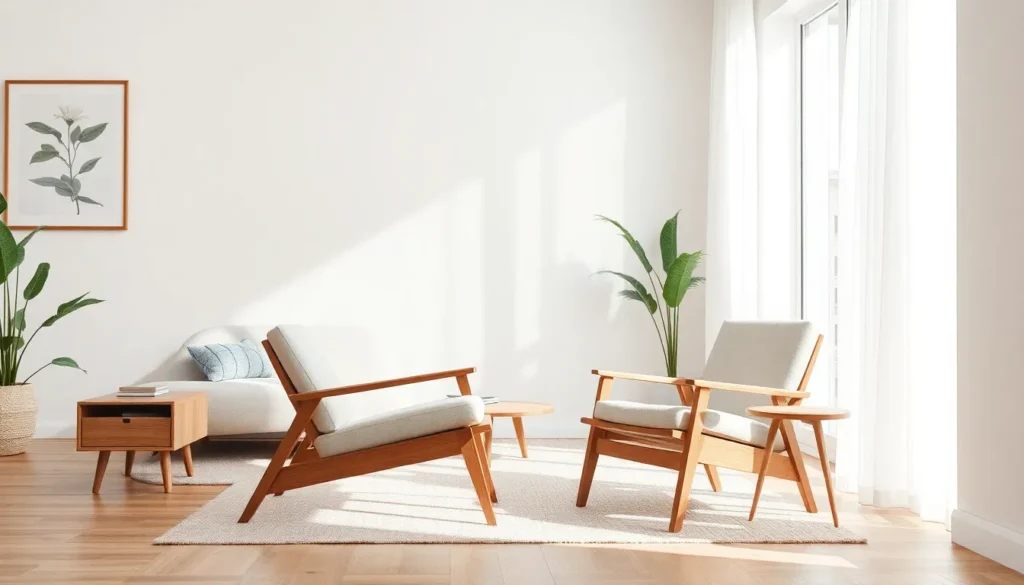
Investing in designer furniture offers numerous advantages, enriching living spaces and enhancing overall home appeal.
Quality and Durability
Quality stands at the forefront of designer furniture benefits. Each piece undergoes meticulous craftsmanship, ensuring durability that surpasses mass-produced items. Premium materials, like hardwoods and high-grade metals, contribute to long-lasting strength. Unlike less expensive alternatives, designer products resist wear and tear much better. Homeowners appreciate this investment, as it supports both practical use and aesthetic value over time. Many notable brands prioritize sustainable sourcing, further increasing the longevity and responsible use of materials.
Unique Aesthetic Appeal
Unique aesthetic appeal distinguishes designer furniture from ordinary options. Iconic styles capture attention, making statement pieces that transform living environments. Designers often experiment with shapes, colors, and textures, adding character to any room. Each piece tells a story, reflecting artistic vision and individuality. Homeowners gain a sense of pride through curated selections that showcase personal tastes. Trendsetting designs ensure that these items remain timeless, fostering environments that exude sophistication and charm.
Popular Designer Furniture Brands
Designer furniture brands offer a diverse array of innovative styles and unparalleled quality. Both iconic designers and emerging brands play crucial roles in shaping the landscape of interior design.
Iconic Designers
Iconic designers consistently set trends in the world of furniture. Think about names like Eero Saarinen, whose Tulip Table showcases a seamless blend of form and function. Another key figure is Charles and Ray Eames, recognized for their timeless chairs that prioritize comfort without sacrificing aesthetics. Furniture from these designers often features high-quality materials, exceptional craftsmanship, and unique designs. The influence of these visionaries remains evident in modern pieces that continue to captivate homeowners and interior designers alike. Their creations serve as both functional furniture and pieces of art, elevating any space.
Emerging Brands
Emerging brands are redefining luxury furniture with fresh perspectives. New players like Menu and Muuto infuse Scandinavian minimalism with creativity, offering innovative solutions for modern living. These brands often prioritize sustainability, utilizing eco-friendly materials while maintaining stylish designs. Their furniture frequently displays a commitment to quality, combining durability with striking aesthetics. Additionally, many emerging brands encourage collaboration among designers, resulting in unique, limited-edition pieces. Homeowners looking for distinctive furniture find great value in exploring these fresh offerings, as they provide contemporary styles that stand out in any environment.
Trends in Designer Furniture
Designer furniture trends evolve as aesthetics resonate with modern lifestyles. The focus increasingly shifts towards creating spaces that reflect individuality while merging style with sustainability.
Sustainable Design
Sustainable design captures consumer interest in eco-friendly practices. Many designers prioritize sourcing materials responsibly, ensuring that production processes minimize environmental impact. Reclaimed wood, recycled metals, and organic fabrics often appear in furniture collections as a result. Increased demand for transparency in sourcing encourages brands to disclose their environmental practices. Designers like Muuto and Interface stand out for offering sustainable options without sacrificing aesthetics. Commitment to sustainable design not only enhances visual appeal but also aligns with the values of environmentally conscious consumers.
Minimalism vs. Maximalism
Minimalism continues to thrive, emphasizing clean lines and understated elegance. This trend seeks to create spacious environments that promote tranquility. Furniture pieces often incorporate neutral palettes, allowing for flexibility in decoration. On the other hand, maximalism embraces bold colors and eclectic patterns that showcase personal style. Designers create engaging, layered looks through vibrant textures and unique collectibles. Each approach serves a distinct purpose, catering to diverse tastes in interior aesthetics. By capturing the essence of both styles, contemporary designer furniture allows homeowners to express their identity beautifully.
Designer furniture transcends mere functionality and transforms living spaces into reflections of personal style. Its unique blend of aesthetics and practicality enhances comfort while making bold statements. As homeowners increasingly prioritize individuality and sustainability, the appeal of high-quality pieces only grows.
Investing in designer furniture not only elevates the visual appeal of a home but also ensures durability and craftsmanship that lasts. With iconic brands and innovative newcomers shaping the landscape, there’s never been a better time to embrace the beauty and sophistication that designer furniture brings. Ultimately, these pieces do more than furnish a space; they create inviting atmospheres that resonate with warmth and style.