A sparkling pool is the ultimate backyard oasis, but without proper chemical balancing, it can turn into a swampy mess faster than you can say “chlorine.” Imagine diving into murky water that smells like a gym sock—yikes! Keeping your pool’s chemistry in check isn’t just about aesthetics; it’s essential for health, safety, and keeping those pesky algae at bay.
Understanding Chemical Balancing Pool
Maintaining the right chemical balance in a swimming pool is critical for hygiene and functionality. Achieving this balance helps prevent contamination and enhances the enjoyment of swimming.
Importance of Chemical Balance
Proper chemical balance protects the pool environment. Maintaining balanced levels reduces the risk of illness caused by bacteria and viruses. Additionally, well-balanced water minimizes irritation to the skin, eyes, and respiratory systems. A balanced pool prevents algae growth, ensuring clear water and a visually appealing space. Regular monitoring contributes to overall water quality, reducing the need for costly treatments.
Key Components of Pool Chemistry
Essential factors in pool chemistry include pH, chlorine, alkalinity, and calcium hardness. pH levels should range from 7.2 to 7.8 to ensure effective sanitation. Chlorine serves as the primary disinfectant, helping eliminate harmful pathogens. Maintaining total alkalinity between 80 and 120 parts per million (ppm) stabilizes pH levels and protects equipment. Calcium hardness levels ideally range from 200 to 400 ppm, preventing corrosion or scale formation. Each component plays a vital role in achieving a safe and enjoyable swimming experience.
Methods of Chemical Balancing
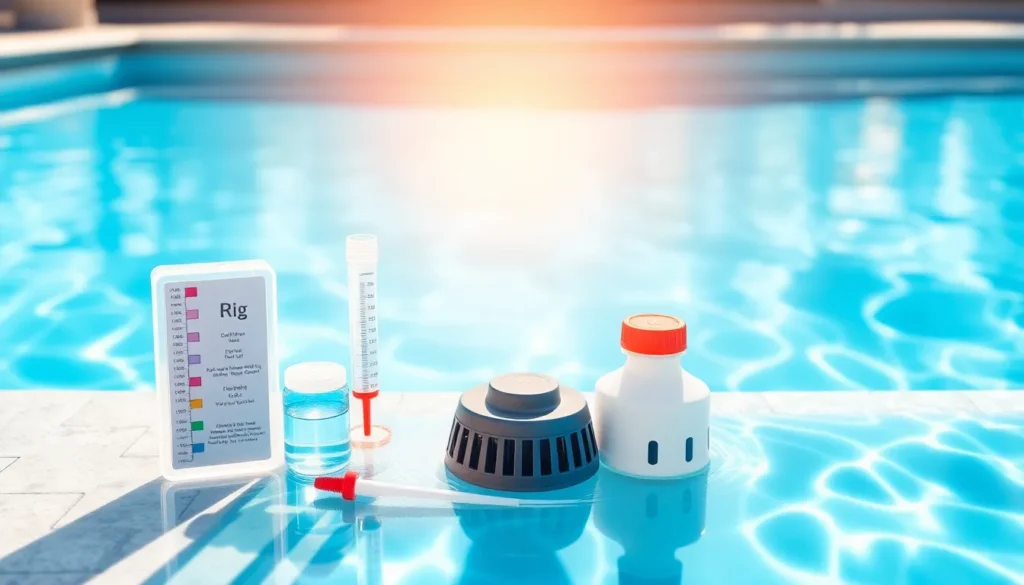
Maintaining the right chemical balance in a pool requires specific methods and tools. Various approaches exist, each catering to different pool needs.
Manual vs. Automated Balancing
Manual balancing involves testing water parameters frequently and making adjustments with chemicals as needed. Pool owners often prefer this method for its perceived control over chemical input. Automated systems, however, streamline the process by continuously monitoring water chemistry and dispensing necessary chemicals. These systems work well in larger pools or commercial settings, providing consistent results with minimal effort.
Tools and Equipment Needed
Essential tools for effective chemical balancing include a water test kit and chemical dispensers. A reliable test kit measures pH levels, chlorine concentrations, and alkalinity, providing crucial data for adjustments. Chemical dispensers enhance efficiency by automatically releasing chlorine or other treatments as required. Additionally, a skimmer and vacuum aid in maintaining overall water clarity, preventing debris from impacting chemical stability. Investing in these tools ensures optimal pool conditions year-round.
Common Chemicals Used
Maintaining a balanced chemical composition enhances pool safety and enjoyment. Several key chemicals play important roles in achieving this balance.
pH Adjusters
pH adjusters help maintain optimal acidity levels in pool water. Sodium carbonate increases pH when it drops too low, while sodium bisulfate lowers pH when it rises excessively. Keeping pH levels between 7.2 and 7.8 ensures swimmer comfort and reduces corrosion risks. Frequent testing enables accurate adjustments, promoting water clarity and reducing chemical imbalances.
Sanitizers and Algaecides
Sanitizers eliminate harmful pathogens, making them essential for pool health. Chlorine remains the most common choice due to its effectiveness and affordability. Alternative options like bromine offer benefits for indoor pools and hot tubs, providing less odor and increased stability. Algaecides specifically target algae growth, which can cloud the water and create slippery surfaces. Using both sanitizers and algaecides in tandem maintains a safe swimming environment and enhances water quality.
Benefits of Proper Chemical Balancing
Proper chemical balancing ensures a safe swimming environment and supports overall pool enjoyment. Several key benefits reinforce the importance of maintaining this balance.
Improved Water Quality
Enhanced water quality comes from proper chemical balancing. Clear water promotes an inviting atmosphere for swimmers. Regular adjustments help inhibit the growth of harmful pathogens. Sanitizers maintain low levels of bacteria, significantly reducing health risks. Optimal pH levels prevent skin and eye irritation, ensuring comfort while swimming. Additionally, well-balanced water enhances visibility and clarity, making it appealing for all users. Consistent monitoring contributes to maintaining this high standard, ultimately resulting in a safer swimming experience.
Enhanced Pool Longevity
Increased pool longevity stems from proper chemical balancing. Correct levels of alkalinity and calcium hardness protect pool surfaces from damage. Regular attention to these elements prevents corrosion of equipment and pool components. Clear water also reduces the wear-and-tear on filtration systems, leading to fewer repairs. Swimmers enjoy a safer and cleaner environment, resulting in more frequent use of the pool. By investing in chemical balance, pool owners can extend the lifespan of their facilities without incurring significant costs. Maintaining these levels ensures an enjoyable and durable swimming experience for years to come.
Challenges in Chemical Balancing
Balancing pool chemicals presents various challenges that require attention. Environmental factors greatly influence water chemistry and can complicate maintenance efforts.
Environmental Factors
Weather conditions have a significant impact on pool chemistry. Rainwater can alter pH and reduce sanitizer levels, demanding prompt adjustments. High temperatures often lead to increased evaporation, concentrating chemicals and requiring dilution. UV exposure from sunlight also depletes chlorine faster, making regular monitoring essential. Pollen and debris from nearby trees contribute to contaminants, necessitating frequent cleaning and balancing efforts. Local wildlife may introduce bacteria and organic matter, amplifying the need for vigilance.
Seasonal Adjustments
Seasonal changes affect how pool owners manage chemical balance. During summer, warmer temperatures drive higher pool usage, increasing the demand for sanitizers. In contrast, colder months often see decreased activity, leading to potential chemical imbalances as debris accumulates. Fall introduces leaves and organic matter, which can strain chemical systems, requiring more frequent tests and adjustments. Winterization techniques may require different chemical treatments to prevent damage during freezing conditions. Consistent maintenance throughout the seasons allows for a stable and enjoyable swimming environment year-round.
Maintaining a balanced chemical composition in a swimming pool is essential for safety and enjoyment. Proper chemical management not only enhances water clarity but also protects swimmers from harmful pathogens and irritants. By regularly monitoring key factors like pH, chlorine, and alkalinity, pool owners can create a welcoming environment that encourages use and prolongs the life of their pool.
Investing in either manual or automated systems can simplify the balancing process, ensuring that adjustments are made promptly in response to environmental changes. Ultimately, a well-balanced pool leads to a healthier swimming experience, making it a rewarding endeavor for any pool owner.