Imagine trying to navigate the maze of international trade without a map. Frustrating, right? Enter the douanekantorenlijst, the essential guide that promises to keep you on the right track in the complex world of customs offices. This guide serves as your trusted companion in understanding the ins and outs of douanekantoren, ensuring you won’t feel like a fish out of water during your import and export adventures. Buckle up, because it’s about to get informative, and maybe a little amusing.
Understanding Douanekantoren
What Are Douanekantoren?
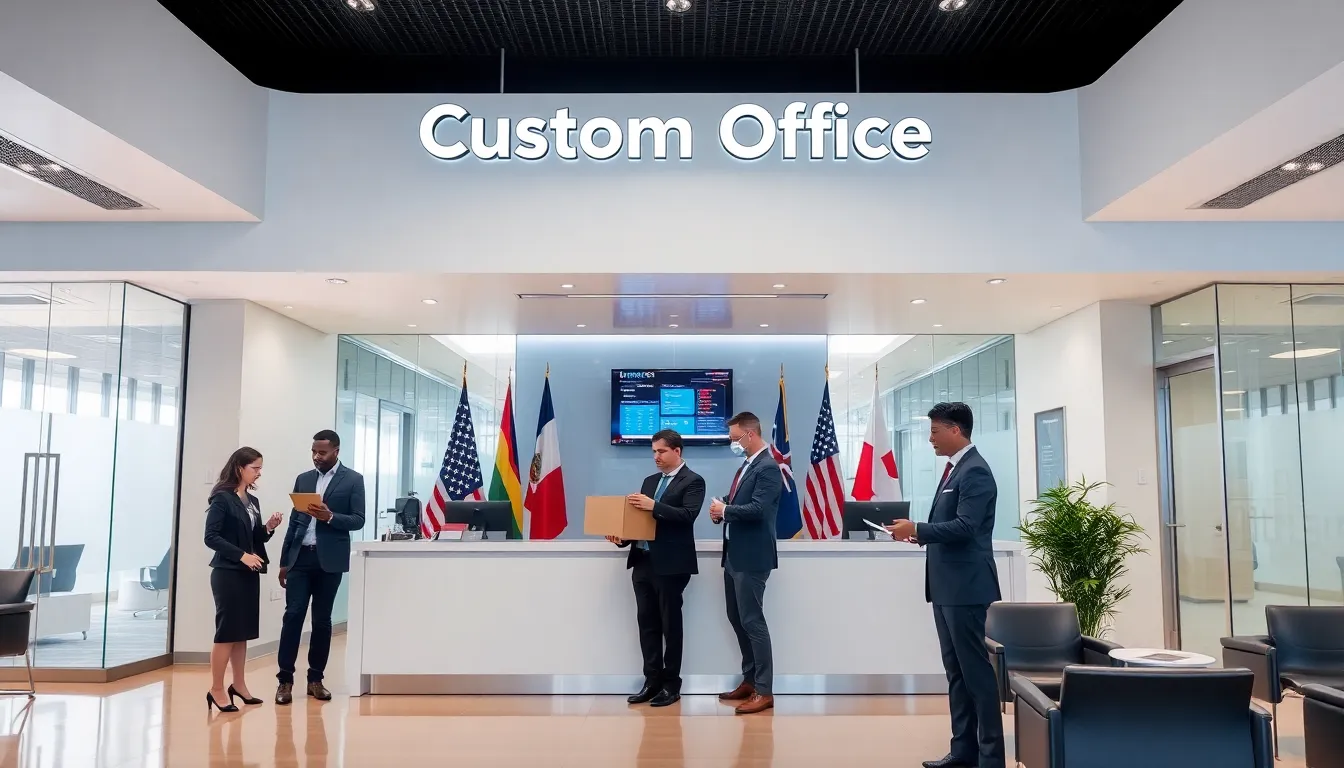
Douanekantoren, or customs offices, can be best described as the gatekeepers of trade. They regulate the flow of goods across borders, ensuring compliance with laws and regulations. Every country has its version of these offices, which handle everything from inspecting shipments to collecting taxes. Think of them as the vigilant customs superheroes, complete with capes (well, maybe not capes) but definitely armed with the authority to make or break trade deals. In simpler terms, they make sure that when goods cross borders, they do so legally and efficiently.
Importance of Douanekantoren in Trade
Sailing into international markets without properly addressing customs procedures is akin to setting sail without checking the weather report. Douanekantoren play a critical role in ensuring that your goods reach their destination smoothly and without unnecessary delays. They monitor tariffs, help the classification of goods, and help maintain national security by preventing illegal imports.
Besides, these offices are crucial for fostering a transparent and efficient trade environment. By properly managing customs procedures, they help businesses avoid costly fines and ensure that trade flows seamlessly. After all, nobody enjoys being stuck in a bureaucratic bottleneck when they could be growing their business.
How To Access the Douanekantorenlijst
Navigating the douanekantorenlijst might feel like deciphering ancient hieroglyphics at first, but don’t fret. Accessing this list is usually just a few clicks away on government or customs websites. It typically includes important information such as locations, contact details, and operational hours of various customs offices.
Navigating the Douanekantorenlijst
Start by searching for your country’s official customs website. Look for sections labeled ‘customs offices’ or something similar. Most lists are alphabetically organized, making it easy to find the office nearest you. If your business frequently deals in international trade, bookmarking this page is a smart move. Not only does it save time, but it allows for quick reference when you need to contact a customs office for inquiries or clarifications.
Features and Benefits of Using the Douanekantorenlijst
The douanekantorenlijst isn’t just a simple directory: it’s a powerhouse of information. Here are some standout features that make it invaluable:
- Comprehensive Listings: It includes a wide array of customs offices, allowing traders to find local resources.
- Contact Information: Easy access to phone numbers and email addresses makes it simple to get in touch when needed.
- Operational Hours: Knowing when each office is open can save businesses from unnecessary trips or delays.
- Updated Information: Regular updates ensure accuracy, helping traders avoid potential pitfalls due to outdated information.
The benefits of using this list are numerous. Quick access to essential contact information streamlines your shipping processes. Ensuring that shipments are cleared without undue delay leads to faster transaction times and happier customers. Simply put, the douanekantorenlijst can be the difference between a smooth import/export experience and a confusing administrative mess.
Common Challenges and Solutions
While the douanekantorenlijst serves as an invaluable resource, navigating customs procedures can sometimes feel like trying to solve a Rubik’s cube blindfolded. Here are a few common challenges traders face, along with solutions:
- Accessing Updated Information: Sometimes, custom office information may not be current. The solution? Regularly check government websites or subscribe to updates if available.
- Miscommunication: Language barriers can hinder communication with customs offices. Use translation services or hire bilingual staff to bridge this gap.
- Long Wait Times: Customs offices can be bustling. To combat this, go during off-peak hours or make appointments where possible to streamline your visits.
By being aware of these potential stumbling blocks, traders can better prepare themselves for interactions with customs offices.