Moving into your first apartment is exciting, and overwhelming. You’re staring at an empty living room, a bare bedroom, and a bathroom with nothing but a toilet. The question isn’t just “what do I need?” but “what can I actually afford right now?” The good news: you don’t need to fill every room at once, and smart choices about first apartment furniture can save you thousands while building a space that actually works for how you live. This guide walks you through the essentials, budget strategies, and smart shopping tactics to furnish your place without very costly or ending up with stuff you’ll regret.
Table of Contents
ToggleKey Takeaways
- Prioritize essential pieces for your first apartment furniture—bed, sofa, and lighting—before filling every room, and build gradually as your budget allows.
- Buy new what matters (mattresses, seating, food-contact items) and purchase used furniture like dressers and side tables secondhand to save 40–60% without compromising quality.
- Measure doorways, hallways, and room dimensions before purchasing to avoid costly returns and ensure first apartment furniture actually fits through your space.
- Choose multi-functional pieces like ottomans with storage and wall-mounted shelving for small apartments, prioritizing vertical storage and slim, leggy furniture that maximizes floor space.
- Focus on timeless styles and quality construction (solid wood frames, smooth-gliding drawers, sturdy hinges) over trendy designs, and buy during major sales in September, November, and January to stretch your budget.
- Invest in pieces you’ll actually use based on your lifestyle—if you work from home, prioritize a good desk; if you entertain, focus on seating and a dining table.
Must-Have Furniture Pieces for Your First Apartment
Living Room Essentials
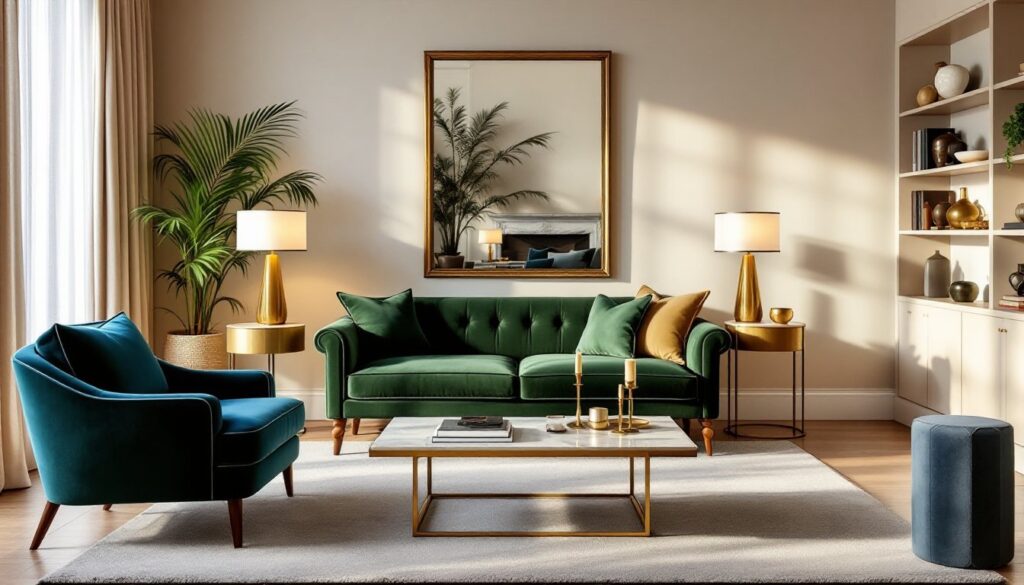
Your living room is where you’ll entertain, relax, and spend most of your time. Start with a sofa or sectional, this is your anchor piece. You don’t need a high-end designer couch: a decent 85-inch or smaller fabric sectional from a mid-range brand (IKEA, Article, or Wayfair) runs $300–$600 and holds up fine for a few years. If you’re tight on space, consider a loveseat or apartment-sized sofa (around 72 inches) instead.
Pair your seating with a coffee table. Keep it simple: wood or metal frame, around 36–48 inches long. It’ll cost $80–$200 and gives you a landing spot for drinks, remotes, and magazines. Avoid glass tops in small spaces, they show dust and fingerprints constantly.
Next up: a TV stand or wall mounting. If you mount your TV (requires wall anchors or studs: check your lease), you save floor space. If you prefer a stand, grab one with storage shelves below, they’re functional and cost about $100–$250. Don’t cheap out here: wobbly stands cause accidents.
Lighting changes everything. One overhead fixture isn’t enough. Add a floor lamp ($40–$100) for reading and a table lamp ($25–$60) on a side table. You’ll use these far more than ceiling lights, and good lighting makes a small space feel bigger.
Round out the living room with a side table or two (24–30 inches tall, $40–$100 each). These hold lamps, remotes, and give you surfaces without crowding the room.
Bedroom and Bathroom Basics
Your bedroom needs a bed frame and mattress first, don’t skip this. A queen-size mattress (60 × 80 inches) is standard and fits most apartments: full-size (54 × 75 inches) works if space is tight. Budget $300–$600 for both frame and mattress combined. Don’t buy the cheapest option: you’ll spend a third of your life on it.
Add a nightstand (24–30 inches tall, $60–$150) on each side if there’s room, or one if space is limited. You need a surface for a lamp, phone, and glass of water.
Bedroom lighting matters. A bedside lamp ($25–$50) is essential: overhead lights are harsh. If your room is dark, add a second floor lamp in the corner.
For storage, a small dresser or tall chest of drawers (30–36 inches wide, $150–$300) beats stacking clothes on the floor. If your apartment has a closet, you can skip this, but most people need extra storage.
In the bathroom, you probably don’t own furniture, but consider a small shelving unit or over-the-toilet cabinet ($40–$150). It keeps toiletries and towels off counters. Wall-mounted shelves (simple metal brackets and wood, $30–$80) work just as well and don’t take floor space.
Pro tip: Before buying anything, measure your doorways, hallways, and the actual spaces. A gorgeous sofa means nothing if you can’t get it through the door.
Budget-Smart Shopping Strategies
The biggest mistake first-time renters make is buying everything at once. You don’t need to. Prioritize essentials, bed, sofa, dining table if you cook, then add comfort pieces over time.
Buy new what matters. Mattresses, anything you sit on daily, and anything that touches food should be new. You don’t know the history of a used mattress, and a sketchy sofa isn’t a money saver, it’s a regret waiting to happen.
Buy used what doesn’t. Dressers, side tables, shelving, and decorative pieces are perfect secondhand. Facebook Marketplace, Craigslist, and local thrift stores have solid options. You’ll save 40–60% and often find better-made vintage pieces than new budget furniture. Just inspect for bed bugs (look at seams and creases on soft items), structural damage, and deep stains.
Timing matters. Major furniture sales happen around Labor Day (September), Black Friday (November), and end-of-season sales (January, July). Sign up for email lists at stores you like and check prices before committing. A $500 sofa might drop to $350 during a sale.
Building your space gradually also lets you figure out what you actually need before spending big. Live in your apartment for a month, you’ll quickly see what’s missing versus what you thought sounded nice but don’t use. Sites like Young House Love showcase real apartment makeovers that illustrate this process.
Measure twice, buy once. Most furniture returns are because something doesn’t fit. Write down the dimensions of your spaces, doorways, and furniture you’re considering. Check return policies, 30–60 days is standard, but some places (especially secondhand) are final sale.
Space-Maximizing Furniture Solutions
Small apartments demand smart furniture choices. This doesn’t mean everything has to fold or collapse, it means choosing pieces that work harder.
Multi-functional furniture is your friend. An ottoman with storage ($80–$200) gives you a footrest, extra seating, and a place to stash blankets. A bed with underbed drawers adds storage without eating wall space. A sofa with a pull-out bed or storage in the frame turns your living room into a guest room when needed.
Vertical storage wins. Wall-mounted shelves, tall bookcases, and floating desks use ceiling height instead of floor space. A 4-shelf bookcase ($60–$150) holds books, plants, and decor without the footprint of a cabinet. Corner shelving ($50–$120) makes unused corners productive.
Slim, leggy furniture feels lighter. A sofa or table on thin legs (not skirted to the floor) makes a room feel bigger because you see through to the walls. It also makes cleaning easier, no dust traps underneath.
Glass and metal furniture reflect light and don’t visually clutter. A glass coffee table ($80–$150) or metal side table ($40–$100) takes up space but doesn’t feel heavy the way dark wood does. If you have little natural light, this matters.
One larger piece beats many small ones. A single 48-inch sectional feels more organized than three small chairs scattered around. It defines the space and gives you more usable seating.
IKEA Hackers for creative ways to customize affordable furniture and maximize what you buy. Real DIYers share solutions for storage, adaptability, and style.
Choosing Quality and Style That Works
“Budget” doesn’t mean “cheap.” There’s a big difference between an $80 ottoman that falls apart in six months and an $80 ottoman that lasts five years. Look at construction, not just price.
Check the frame. On sofas and chairs, run your hand under the frame, solid wood is best, plywood is okay, and particleboard is sketch. Hardwood frames last longer. Joints should be tight and glued or screwed, not just stapled.
Feel the fabric. Microfiber hides stains better than linen: linen looks nicer but shows everything. Cotton blends are durable. If you have pets or plan parties, choose washable or performance fabrics that resist staining. Brands like Home Furniture Woodbury curate selections specifically for functional living.
Drawers and hinges matter. Open and close everything. Drawers should glide smoothly and have stops so they don’t slam. Hinges should feel solid, not cheap. These details predict how long furniture actually lasts.
Style: aim for timeless, not trendy. Your first apartment is a sandbox for figuring out your taste. Stick with neutral sofas, classic wood or metal frames, and simple lines. Trendy florals, bold colors, and shag textures will bore or annoy you in a year. Add color and personality through pillows, plants, and art, those are cheap to swap out.
Know your lifestyle. If you work from home, invest in a proper desk and chair: you’ll use them 40 hours a week. If you entertain constantly, prioritize seating and a solid dining table. If you cook, a good kitchen table and stools matter. Spend on what you’ll actually use.
Warranty and returns. Reputable brands offer 1–3 year warranties on frames and cushions. Check the fine print, some cover manufacturer defects only, not wear. Know the return window (usually 30–60 days) before you buy. For secondhand stuff, there’s no warranty, so inspect carefully.
Take your time building your space. Most people regret rushing to fill an apartment just because it’s empty. Rent isn’t going anywhere, and waiting for the right sofa beats buying something you’ll replace in a year.
Conclusion
Furnishing your first apartment is a marathon, not a sprint. Start with essentials, a bed you can sleep well in, a sofa you’ll actually use, and lighting that makes you feel at home. Build from there as your budget allows and your taste clarifies. Smart shopping, a little patience, and honest choices about what matters to you mean you’ll end up with a place you love, not a space full of regrets. Your first apartment won’t be perfect, and that’s fine. What matters is that it’s yours. Resources like budget-friendly DIY projects can help you customize and personalize pieces as you grow into your space.