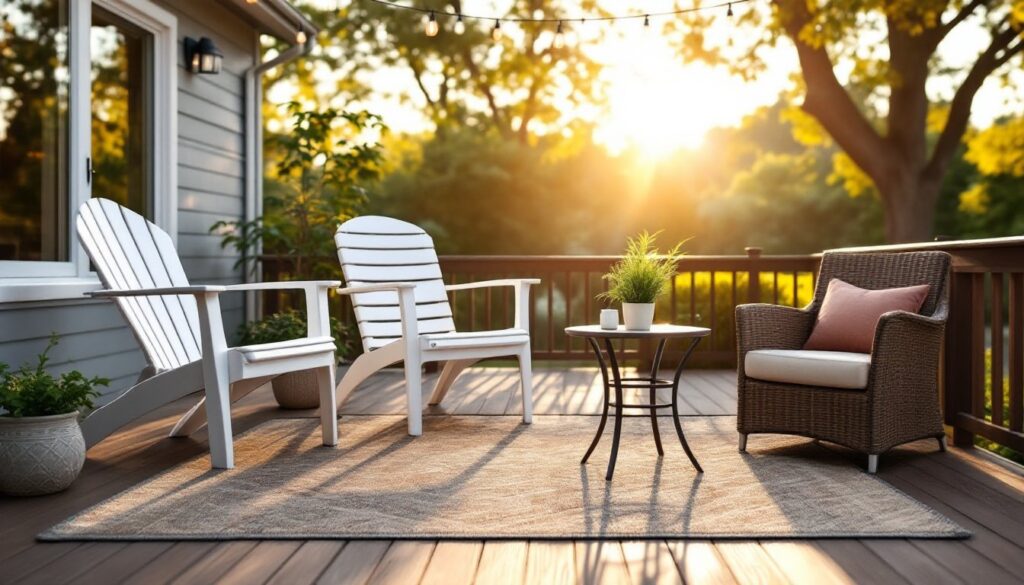
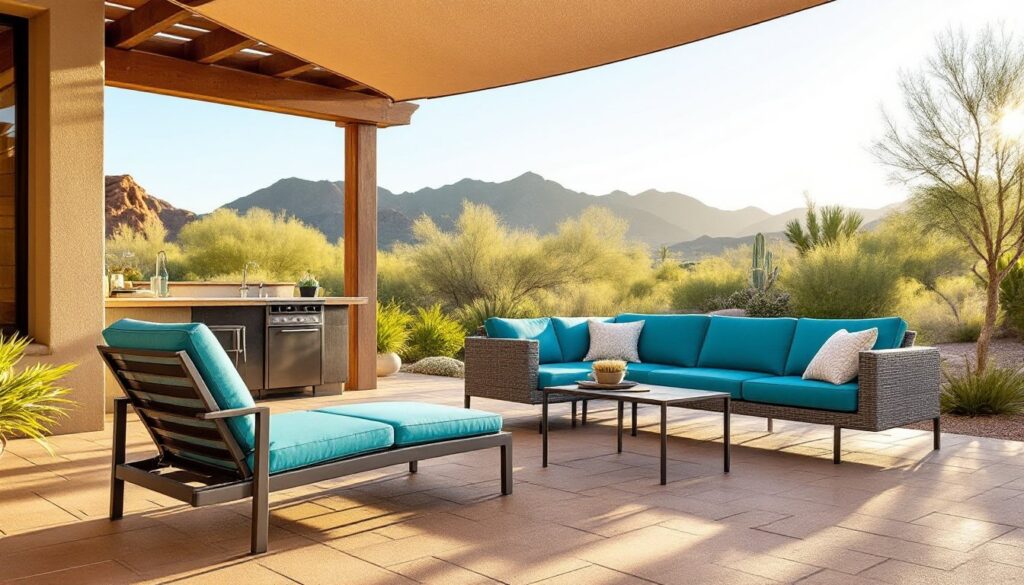
Finding quality patio furniture doesn’t mean emptying your wallet. Patio furniture outlets have become a savvy homeowner’s secret weapon for scoring durable, stylish pieces at a fraction of retail cost. Whether you’re furnishing a cozy balcony or outfitting a sprawling backyard, understanding how outlet pricing works, and how to spot real quality beneath the discount tags, makes all the difference. This guide walks you through the ins and outs of patio furniture outlet shopping, helping you build an outdoor space that’s both beautiful and budget-friendly.
Table of Contents
ToggleKey Takeaways
- Patio furniture outlets offer 30–60% savings by selling overstock and previous seasons’ inventory, allowing you to furnish an entire outdoor space affordably without sacrificing quality.
- Quality matters at any price point—inspect frame materials for solid hardwoods or powder-coated aluminum, check for smooth welds, and verify that fabrics are solution-dyed and performance-grade to ensure durability.
- Visit outlets early in the week or season, bring a tape measure, document damage with photos, and request detailed invoices listing materials and defects to protect your investment and warranty claims.
- Hybrid shopping works best: browse online outlets to identify styles and pricing, then inspect similar pieces in-person at a local warehouse before committing to purchase.
- Even discounted outlet pieces last decades with proper maintenance—seasonal cleaning, reapplying sealers annually for wood, storing cushions indoors, and using quality covers extend furniture life by 50% or more.
What Makes Patio Furniture Outlets Different From Retail Stores
Patio furniture outlets operate on a fundamentally different business model than big-box retailers or specialty showrooms. Instead of marking up items to cover heavy rent, staff, and overhead, outlets sell overstock, previous seasons’ inventory, and floor samples at 30–60% below retail prices. You’re not paying for fancy displays or aggressive advertising: you’re buying the furniture itself.
Outlets typically source inventory from manufacturer overruns, store closeouts, or items with minor cosmetic imperfections, a slightly dented aluminum frame or mismatched fabric from a discontinued line won’t affect function. Some outlets also partner directly with manufacturers to sell last year’s collections before new models arrive. The catch? Selection is unpredictable, return policies are stricter, and you usually can’t special order. What you see is what you get, often without the ability to mix and match pieces from different collections.
Retail stores, by contrast, guarantee consistent selection, flexible customization, and generous returns. You pay for that convenience. Outlets reward flexibility and quick decision-making: if you find a solid teak dining set at 50% off, hesitation means it’s gone tomorrow.
How to Identify Quality Patio Furniture at Outlet Prices
Just because something’s discounted doesn’t mean it’s a bargain. Start by examining the frame material and construction. Pressure-treated pine or low-grade metal will rust or rot quickly, especially in humid climates. Look for solid hardwoods like teak, oak, or cedar, or powder-coated aluminum frames (the coating protects against rust). Check welds on metal furniture, they should be smooth and consistent, not cracked or hastily done.
Legitimate outlets disclose why items are marked down. If a piece has a manufacturing defect, a loose armrest, chipped paint, or torn fabric, the outlet should tell you upfront. Ask staff directly: “Is there any damage?”
Fabrics matter enormously. Solution-dyed acrylic and performance fabrics resist fading and mildew far better than standard textiles. Run your hand across cushions: cheap foam flattens immediately and won’t recover. Stitching should be tight and even, not loose or unraveling. Check cushion covers for zippered removability: if they’re glued on, replacement becomes costly.
For wood, inspect for gaps, warping, or uneven staining. Outdoor wood furniture should be sanded smooth and sealed or stained, raw wood will splinter and gray in sunlight. Test chair stability by gently pushing on the seat and back: there shouldn’t be wobbling or creaking. A shoddily constructed chair will fail in one season.
Best Practices for Shopping Patio Furniture Outlets
Successful outlet shopping requires a strategy. Measure your space before you go, bring a tape measure and note ceiling height, doorway widths, and distance from the house to your patio. A four-person sofa might look perfect in the showroom but won’t fit through your gate. Know your climate too: coastal areas need marine-grade materials that handle salt spray, while arid regions demand UV-resistant finishes to prevent fading.
Visit outlets early in the week or season. Friday and summer weekends mean picked-over inventory and crowds. Ask staff about incoming shipments, knowing when new stock arrives helps you plan return visits. Request a detailed invoice that lists materials, construction details, and any defects. This protects you if issues emerge later and helps with warranty claims.
Bring a phone camera and document any damage before leaving the lot. Take photos of frame joints, fabric seams, cushion condition, and the general piece from multiple angles. If a problem surfaces in a week, you have proof of the item’s condition upon purchase.
Online vs. In-Store: Which Outlet Format Works Best
In-store outlets let you inspect furniture in person, sit in chairs, and feel fabric quality before committing. You avoid shipping costs and can take items home immediately. The downside: you’re limited to what’s physically in the warehouse, and selection can be sparse.
Online outlets expand selection dramatically. You can browse hundreds of pieces, compare styles across regions, and sometimes access better pricing than local warehouses. Shipping, but, is expensive, expect $200–$800+ for delivery of even a single sofa. Many online outlets offer free delivery on orders above a threshold, making bundles more economical. Returns are trickier online: if the color photograph doesn’t match reality or the fabric feels different than described, shipping it back can cost more than the discount you saved.
A hybrid approach works well: browse online to identify styles and price ranges, then visit a local outlet to inspect similar pieces in person before buying. This Home Depot Outdoor Furniture sale offers both options, combining warehouse savings with online convenience.
Top Reasons to Choose Outlet Patio Furniture for Your Home
Beyond the obvious price advantage, outlet furniture often comes from discontinued collections released by top manufacturers. That means you’re buying the same quality construction and design as retail pieces, just older inventory. A weather-proof teak table from last season functions identically to this year’s model at half the cost.
Outlets also let you buy in volume affordably. Furnishing a whole patio, lounge chairs, a dining set, side tables, adds up quickly at regular retail. Outlets make it feasible to outfit your entire outdoor space instead of settling for just a few key pieces. You get a cohesive look without the premium price tag.
For budget-conscious homeowners tackling multiple projects, outlet shopping frees up money for other improvements: landscaping, a new grill, or deck resurfacing. A $600 dining set becomes $300, redirecting $300 toward refinishing that worn fence.
Many outlets also stock returned items from online retailers, meaning you’re buying furniture that’s been inspected twice, once by the original buyer and again by the outlet’s staff. This quality-check layer can mean fewer defects than raw overstock. Outdoor style magazines frequently showcase patio furniture ideas that you can replicate at outlet prices, stretching your design inspiration without stretching your budget.
Care and Maintenance Tips for Outlet Patio Furniture
Getting a deal on patio furniture only pays off if you maintain it properly. Even outlet-priced pieces last decades with basic care. Start with seasonal prep: before winter in cold climates, clean and dry all pieces thoroughly, then cover them with breathable furniture covers (plastic traps moisture and promotes mold).
Wooden furniture needs attention. Teak and cedar naturally weather to gray if left unsealed, which is fine cosmetically but eventually leads to splintering. Reapply sealer or outdoor stain every 1–2 years depending on exposure. Use a soft-bristle brush and mild soap for cleaning: pressure washers can damage wood grain and finishes.
Cushions and fabrics are your most vulnerable investment. Bring them indoors when not in use, or store them in waterproof bins. Hose them off monthly if they’re outside regularly. For stubborn stains, use a fabric-safe cleaner, bleach damages acrylic fabrics and causes fading. Check zipper function and replace covers if stitching loosens: catching small problems prevents expensive cushion replacement.
Metal furniture resists most abuse, but inspect powder-coated finishes annually for chips or rust starting beneath. Touch up small scratches with matching paint pens before they corrode. Aluminum doesn’t require much beyond rinsing, but salt-air environments (coastal homes) benefit from occasional wiping to remove salt residue that accelerates corrosion.
A weather-proof approach means storing furniture in a garage or shed during off-season, or at minimum covering pieces well. This single step extends furniture life by 50% or more. Professional patio furniture buying guides recommend investing in quality covers as part of your initial outlet purchase: a $40 cover protecting a $300 sofa is money well spent.
Conclusion
Patio furniture outlets deliver real value when you know what to look for. Quality construction, appropriate materials for your climate, and honest assessment of condition separate smart buys from budget traps. Whether you shop in-store or online, measure carefully, inspect closely, and don’t rush the decision. A well-maintained outlet piece outperforms a neglected retail purchase every time. With outlet savings in your pocket and a durable, stylish patio setup in place, you’re ready to enjoy your outdoor space for years to come.