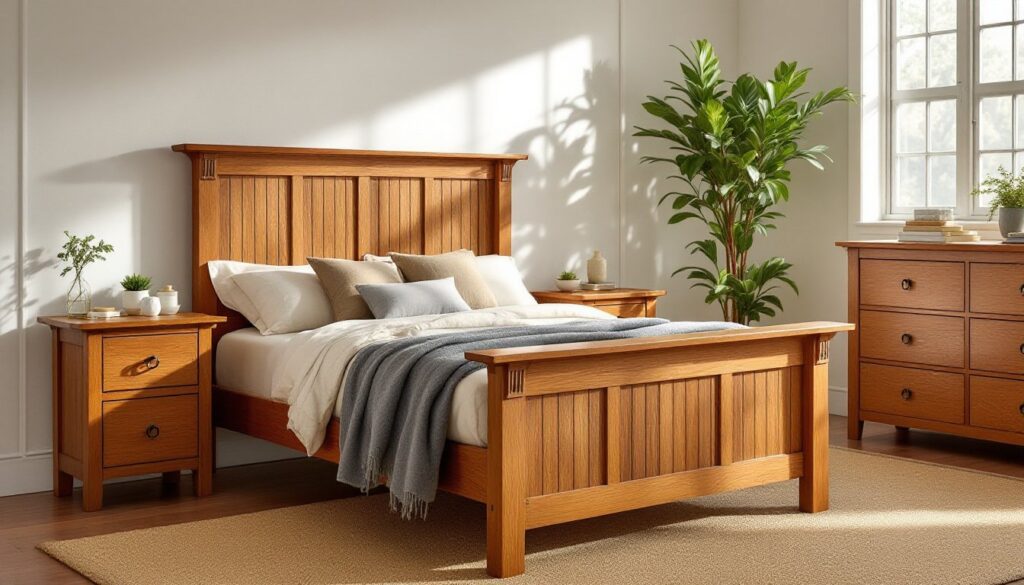
Cherry wood bedroom furniture represents one of the most versatile and durable investments a homeowner can make. Unlike trendy pieces that fade in appeal after a season or two, cherry wood furniture gains character and warmth as it ages, developing a richer patina over time. Whether you’re furnishing a master bedroom from scratch or upgrading your nightstands and dresser, understanding what makes cherry wood special, and how to care for it, helps you make confident purchasing decisions. This guide walks through the practical side of cherry wood bedroom furniture, from material types to maintenance and budget considerations, so you can select pieces that fit both your style and your home’s longevity.
Table of Contents
ToggleKey Takeaways
- Cherry wood bedroom furniture is a durable, long-term investment that develops richer character and patina over time, resisting warping and denting better than softer wood alternatives.
- Solid cherry costs significantly more than cherry veneer but holds its value longer and can be refinished, while veneer offers a practical middle-ground price point for bedroom environments.
- Proper maintenance—including weekly dusting, humidity control between 30–50%, and protecting from direct sunlight—keeps cherry wood furniture looking beautiful for decades.
- Cherry wood adapts seamlessly to multiple design styles including traditional, transitional, modern farmhouse, and rustic aesthetics, making it versatile for any bedroom aesthetic.
- Budget-conscious buyers should prioritize quality cherry pieces they’ll use daily, such as a bed frame and nightstands, and add remaining furniture later rather than purchasing a complete set upfront.
Why Cherry Wood Is a Premium Choice for Bedroom Furniture
Cherry wood has earned its reputation in fine furniture for solid reasons. The wood is naturally dense and stable, meaning it resists warping and shrinking better than softer woods like pine or poplar. Its color, a warm, reddish-brown that deepens over time, adds richness to a bedroom without demanding bold design choices around it.
From a structural standpoint, cherry’s hardness (around 995 on the Janka hardness scale) makes it resistant to denting and scratching compared to softer species. A dresser or bed frame built from cherry wood can handle the bumps and dings of daily life better than cheaper alternatives. This durability translates to lower replacement costs over a homeowner’s lifetime.
Cherry also works across design aesthetics. Whether your bedroom leans traditional, transitional, or even modern minimalist, cherry wood adapts. The wood doesn’t demand matching everything in your room to cherry: it partners well with neutral linens, metal hardware, and varied décor styles. For many homeowners, this flexibility is as valuable as the material itself.
Key Characteristics and Types of Cherry Wood Bedroom Sets
Not all cherry wood bedroom furniture is created equal, and understanding the differences helps you avoid buyer’s remorse.
Solid Cherry vs. Cherry Veneer
Solid cherry means the piece is constructed from cherry wood throughout, drawers, frame, panels, and visible surfaces. This is the premium option. Solid cherry pieces hold their value better and can be refinished if the surface is damaged. But, they cost significantly more and require careful attention to humidity and temperature changes, as real wood naturally expands and contracts.
Cherry veneer, by contrast, uses a thin layer of real cherry wood glued over a plywood or particleboard core. This approach costs less and creates a more stable piece (the substrate resists movement). The tradeoff: veneered furniture can’t be extensively refinished, and if the veneer chips or peels, repair gets tricky. For bedroom furniture that won’t take heavy abuse, veneer is a practical middle ground between solid wood cost and particle-board cheapness.
When shopping, ask the retailer point-blank: “Is this solid cherry or veneer?” Honest sellers will tell you upfront. Pieces labeled “cherry finish” or “cherry-colored” are often not cherry at all, they’re stained hardwoods or veneers. Know what you’re paying for.
Design Styles That Work Best With Cherry Furniture
Cherry wood’s warm undertones make it a natural fit for several bedroom aesthetics, though style isn’t just about color, it’s about hardware, lines, and overall proportion.
Traditional and Colonial styles pair beautifully with cherry. Think turned legs, raised-panel cabinet doors, and antique brass or bronze hardware. Many cherry sets lean this direction, evoking the furniture pieces seen in historic homes.
Transitional design, a blend of traditional and contemporary, showcases cherry well. Simple but refined lines, perhaps with slight ornamentation, let the wood grain be the star. This works especially in master bedrooms where you want sophistication without formality.
Modern farmhouse and rustic aesthetics also embrace cherry, particularly when paired with lighter finishes or reclaimed-style hardware. The key is letting cherry’s natural warmth shine rather than fighting it with stark minimalist surroundings.
When considering a specific cherry bedroom set, ask yourself: Does the hardware match your existing decor? Are the proportions right for your space? Resources like Homedit offer inspiration for how different furniture styles blend into cohesive bedroom designs. Don’t buy a piece solely because it’s cherry: make sure it speaks to your actual style preference.
How to Care for and Maintain Your Cherry Wood Bedroom Furniture
Cherry wood furniture requires more attention than laminate or metal pieces, but maintenance is straightforward if done consistently.
Dust regularly, weekly is ideal, using a soft, dry cloth or a microfiber cloth. Avoid feather dusters, which can leave particles behind. For solid cherry, light dust prevents buildup that can dull the finish over time.
Control humidity in your bedroom. Cherry wood expands and contracts with moisture changes. Aim for 30–50% relative humidity. In dry climates, use a humidifier: in humid climates, ensure good air circulation and consider a dehumidifier if condensation appears on windows. Humidity fluctuations are the number-one culprit behind warping in high-quality bedroom sets.
Clean with the grain. When using any cleaner, wipe along the wood’s grain direction, not across it. For solid cherry, a wood-specific cleaner (spray or oil-based) works: follow product instructions. For veneered pieces, use less liquid, veneer doesn’t tolerate moisture pooling around edges or joints.
Protect from direct sunlight. Cherry darkens beautifully over time naturally, but intense UV exposure can cause uneven fading. Close curtains during peak sun hours, or use UV-filtering window treatments.
Repair minor scratches promptly. For solid cherry, fine scratches often disappear with the right stain touch-up marker or finishing oil. Deeper gouges may need professional repair. Leaving damage exposed allows moisture into the wood, which accelerates problems. Veneered pieces are trickier, surface repairs help, but deep damage often requires professional refinishing.
Budget and Value Considerations When Buying Cherry Bedroom Pieces
Cherry wood bedroom furniture spans a wide price range, and knowing where your budget sits helps manage expectations.
Solid cherry pieces from established furniture makers typically start around $800–$1,200 for a single nightstand and climb to $3,000–$6,000+ for a full bed frame with headboard. A complete solid cherry bedroom set (bed, two nightstands, dresser, chest of drawers) often costs $5,000–$12,000 depending on construction quality and finish details. These are investments, but they last decades and refinish well.
Cherry veneer sets cost roughly 40–60% less, ranging from $400 for a nightstand to $2,000–$4,000 for a complete bedroom set. The lower cost reflects both material savings and faster manufacturing. Veneer pieces still offer durability in a bedroom environment (low-traffic, stable conditions) but depreciate faster if you decide to sell.
Buy strategically if budget is tight. Start with pieces you’ll use daily, a quality cherry bed frame and nightstand, and add a dresser later. This spreads costs and lets you confirm you actually love living with cherry before committing to a full set. Many homeowners find mixed-wood bedrooms work fine. A cherry bed pairs easily with a walnut dresser or a painted cabinet, reducing overall expense while maintaining visual interest.
When comparing prices, factor in warranty coverage, delivery/assembly costs, and return policies. A cheaper piece with no warranty from an online-only seller might seem like a deal until assembly issues arise or finish defects appear. Look at reviews and ask about wood sourcing. Domestic cherry (U.S.-grown) generally costs more than imported cherry but offers more predictable quality.
Homeowners looking for Home Furniture Woodbury: Transform options may find local showrooms helpful for evaluating cherry pieces in person before ordering. Seeing wood tone and finish quality firsthand beats relying on online photos.
Conclusion
Cherry wood bedroom furniture rewards patience and care with lasting beauty and solid performance. Whether you choose solid pieces or veneer, understanding material differences, compatible design styles, and maintenance requirements keeps your investment looking great for years. Start with what your budget and space allow, prioritize quality in frequently used pieces, and remember that cherry’s timeless appeal means your bedroom furniture will adapt to evolving tastes rather than feel dated in five years.