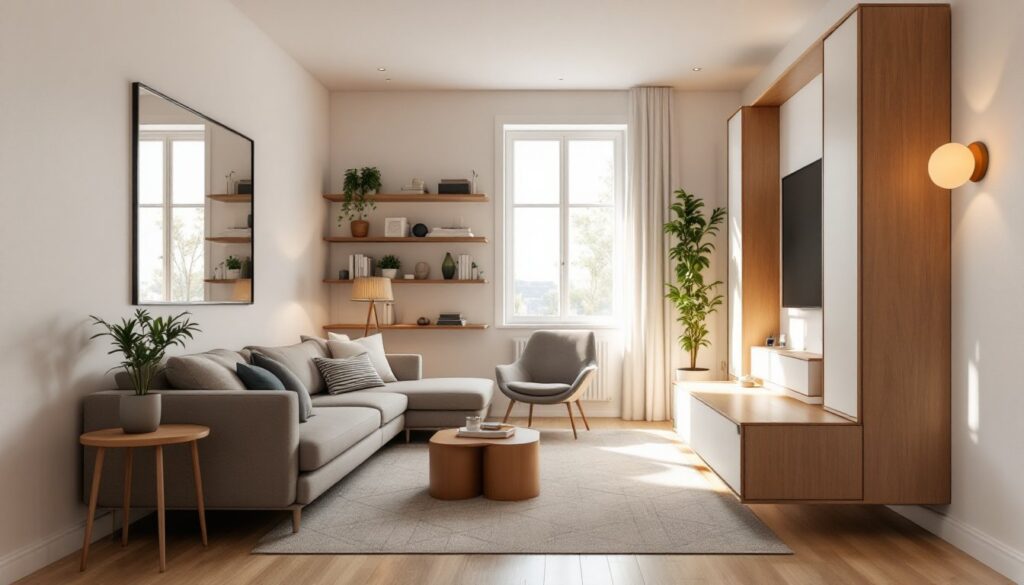
Cream bedroom furniture strikes a rare balance, it’s elegant without being fussy, neutral without feeling cold, and timeless without looking dated. Whether you’re starting from scratch or refreshing a tired bedroom, cream pieces form the foundation for a serene retreat that works with virtually any décor style. This guide walks you through selecting quality cream bedroom furniture, understanding what pieces matter most, and pulling together a cohesive look that feels both inviting and intentional. You’ll learn practical considerations, from finish durability to scale, so you make choices that work in your actual space, not just in magazine photos.
Table of Contents
ToggleKey Takeaways
- Cream bedroom furniture provides a warm, versatile foundation that adapts to farmhouse, modern, transitional, and eclectic styles while remaining timeless and never dated.
- Quality cream bedroom furniture requires inspection of solid wood construction, mortise-and-tenon joinery, and durable finishes that resist chipping and scratching better than thin lacquer.
- Warm white lighting (2700K) is essential to showcase cream’s inviting undertones, as cool white can make cream appear bland or clinical in your bedroom.
- Layer texture and accent colors throughout your cream bedroom scheme using matte finishes, natural fiber rugs, patterned textiles, and supporting wood tones to prevent a cold or flat appearance.
- Measure doorways, hallways, and drawer swing radius before purchasing cream bedroom furniture to ensure pieces fit your actual space and function properly.
Why Cream Bedroom Furniture Works for Every Home Style
Cream isn’t a trend: it’s a backdrop. Unlike white, which can feel sterile or harsh under certain lighting, cream carries warmth and softness. It pairs beautifully with rich wood tones, muted earth tones, deep accent colors, or lighter pastels, making it genuinely versatile across farmhouse, modern, transitional, and eclectic schemes.
From a practical standpoint, cream furniture also adapts easily as your tastes evolve. Swap out pillows, bedding, or wall colors without worrying that your furniture will clash. This flexibility saves money over time and reduces the pressure to get everything “perfect” from day one.
Lighting matters more with cream than with darker tones. Warm white bulbs (2700K) enhance cream’s inviting quality, while cool white (4000K) can make it appear bland. Before committing to a large piece, view samples in your actual bedroom at different times of day. Afternoon light and evening light reveal very different undertones.
Essential Cream Bedroom Furniture Pieces to Consider
Beds and Bed Frames
Your bed anchors the entire room, so this choice carries weight, literally and visually. Upholstered bed frames in cream fabric offer softness and visual interest, while cream-painted wooden frames provide a cleaner, more structured look. Consider your mattress thickness when choosing frame height: most standard frames accommodate 8–12-inch mattresses, though adjustable foundations may require low-profile designs.
Fabric upholstered beds demand more maintenance (vacuuming, spot-cleaning) but feel luxurious and absorb sound well. Wooden frames are easier to clean and age gracefully, especially if the wood has visible grain that contrasts with the cream finish. If you live in a humid climate, solid wood holds up better than veneered pieces over decades. Test the frame’s stability by pushing gently on corners: wobbling signals weak joinery.
Dressers and Storage Solutions
Dressers remain the workhorse of bedroom storage. A solid cream dresser with enough drawer depth (at least 16 inches) accommodates sweaters and heavier items without jamming. Pay attention to drawer slides, ball-bearing, soft-close slides cost more but glide smoothly and last longer than budget alternatives.
Cream-finished chests of drawers or armoires provide vertical storage without consuming floor space, ideal for smaller bedrooms. Ensure the piece can be secured to the wall with appropriate hardware (heavy furniture poses a tipping hazard, especially around children). Open shelving in cream, built-in or standalone, works if you’re disciplined about styling and dusting: otherwise, it reads as clutter.
Nightstands and Accent Pieces
Nightstands don’t need to match your bed or dresser exactly, but they should speak the same visual language. A simple cream nightstand with a drawer and an open shelf provides functional space for a lamp, phone, and a few books without adding bulk to a tight bedroom. Look for USB charging ports or outlets built into the design to reduce cord clutter.
Smaller accent pieces, cream benches at the foot of the bed, side tables, or wall-mounted floating shelves, layer in the color while maintaining flexibility. These secondary pieces let you test combinations before investing in larger items and can be swapped or moved without major disruption.
How to Choose Quality Cream Furniture for Your Bedroom
Build vs. Veneer matters. Solid wood construction lasts generations and can be refinished if needed, but it’s pricier and moves with humidity swings. Veneered plywood resists warping and costs less, but damage to the veneer is hard to repair. Engineered wood (MDF with veneer) is budget-friendly but won’t tolerate water exposure or heavy use.
Inspect joinery before buying. Look for mortise-and-tenon joints or doweled connections rather than staples or nails alone. Run your hand across surfaces, they should be smooth, with no splinters, rough grain, or gaps. If shopping online, read reviews mentioning assembly difficulty and longevity: many budget pieces show wear within 2–3 years.
Finish quality determines durability. A solid cream paint or stain resists chipping better than thin, shiny lacquer. Ask whether the finish is water- and scratch-resistant: this is especially important on dressers and bedside tables. Touch surfaces in showrooms to feel the difference between a matte, satin, or high-gloss finish. Matte and satin hide fingerprints and dust better than gloss, which looks elegant but demands constant cleaning.
Measure your bedroom doorways, hallways, and planned placement before ordering. A beautiful dresser that won’t fit through your bedroom door is useless. Account for the swing radius of doors and drawers, a wide dresser in a tight corner won’t work if drawers hit the wall. Check weight ratings if furniture will hold televisions or heavy décor items. Most cream nightstands support 30–50 lbs, plenty for a lamp and décor but not a flat-screen TV.
Responsible retailers provide finish swatches or samples. If you can’t see cream in person, order samples from multiple manufacturers: cream varies wildly depending on undertones (some lean yellowish, others greenish or pinkish). Compare under your bedroom lighting before committing.
Styling Tips: Creating a Cohesive Cream Bedroom Design
Cream is a vehicle, not a destination. The real work lies in layering texture and supporting colors that prevent the room from feeling flat or cold. Incorporate different finishes, matte cream painted wood alongside upholstered headboards, or smooth cream dressers with rough linen bedding. This layering creates depth without requiring bold colors.
Textiles drive warmth. Cream bedding benefits from texture: linen, cotton weave, or subtle patterns break visual monotony. A cream duvet paired with white pillows and a patterned throw blanket feels more designed than monochromatic cream-on-cream, which reads sterile. Area rugs in natural fiber (jute, sisal) or neutral tone ground the room and define the sleeping area.
Accent color, used sparingly, lifts a cream scheme. Soft blues, warm grays, muted sage, or deeper charcoal in bedding, curtains, or a single accent wall work beautifully. Alternatively, layering wood tones, honey, walnut, or ebony, through other pieces or flooring adds richness without introducing color.
Lighting is non-negotiable. Overhead fixtures alone create shadows and glare. Pair bedside lamps with warm-color temperatures (2700K) to enhance cream’s inviting quality. Consider dimmer switches on overhead lights: they let you adjust mood and reduce the harsh brightness that makes cream look clinical. Wall sconces flanking the bed provide balanced, shadow-free task lighting.
Final touch: styling surfaces matters. A dresser decorated with just a mirror and a single object looks sparse: add a table lamp, small tray, and 2–3 personal items for intentional, lived-in appeal. Keep nightstands functional, a lamp, one book or two, a phone charger, rather than cluttered. Restraint prevents a beautiful cream bedroom from devolving into visual noise.
For broader inspiration on creating cohesive spaces, furniture design ideas and scandi bedroom concepts offer excellent starting points. Many cream pieces align with minimalist and Scandinavian aesthetics, which emphasize quality over quantity and warm neutrals. Exploring home furniture options in your area can also reveal local makers and retailers offering quality cream pieces.