Summer’s just around the corner, and for many, that means splashing around in the cool waters of an above ground pool. But before diving in, it’s essential to consider the not-so-glamorous side of pool ownership: maintenance costs. While the thought of a backyard oasis is enticing, the price tag for keeping it sparkling clean can make anyone do a double take.
From chemicals to equipment and the occasional unexpected repair, maintaining that perfect pool isn’t just about the fun. It’s about budgeting wisely so you can enjoy your summer without financial splashes. Let’s dive into the nitty-gritty of above ground pool maintenance costs and discover how to keep your pool pristine without draining your wallet. After all, who wants to trade pool parties for penny-pinching?
Understanding Above Ground Pool Maintenance Cost
Above ground pool maintenance costs vary significantly based on several factors. Regular expenses include chemicals for water balance, maintenance equipment, and occasional repairs. Typical chemical costs average around $300 to $600 annually. Pool owners should also consider purchasing skimmers, filters, and vacuums, which can add an initial cost of $100 to $500.
Maintenance services contribute to overall costs as well. Hiring professionals for routine cleaning can range from $75 to $150 per visit, depending on location and service frequency. Some pool owners opt for DIY maintenance, which saves money but requires time and effort.
Unexpected repairs, such as replacing a liner or fixing a pump, can escalate costs. Liners alone may cost between $100 to $1,000, based on material and pool size. Similarly, a new pump varies from $150 to $500, depending on the brand and durability.
Electricity and water use can impact monthly utility bills. Owners might see an increase of $30 to $100 in electricity costs due to pumps and heaters. Water refills, particularly after heavy use or evaporation, also add to expenses.
Budgeting for maintenance ensures a pool remains enjoyable. Setting aside funds for both regular maintenance and unexpected repairs helps in managing costs effectively. Proper planning leads to a cleaner pool and a more pleasant swimming experience.
Factors Influencing Maintenance Cost
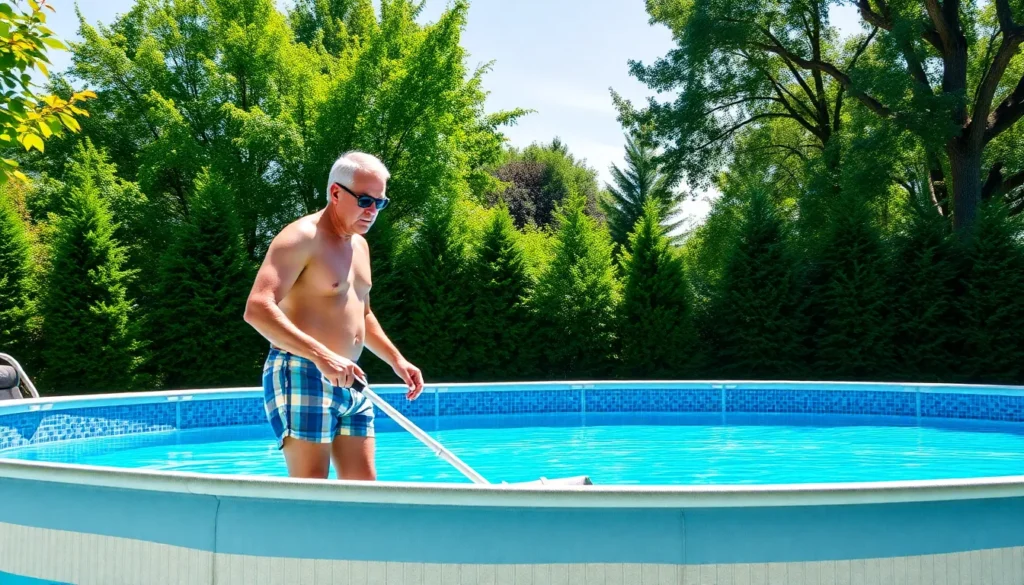
Maintenance costs for above ground pools can vary based on several key factors. Understanding these factors helps pool owners budget effectively.
Size of the Pool
Pool size significantly impacts maintenance costs. Larger pools require more chemicals, water, and energy for heating. For example, a 24-foot pool typically costs more to maintain than a 12-foot pool. Maintenance equipment, such as skimmers and vacuums, also scales with size, often leading to higher initial and ongoing expenses.
Location and Climate
Location and climate influence how often a pool needs maintenance. In warmer climates, pool owners might face increased evaporation and debris accumulation, demanding more frequent cleaning and chemical treatments. Conversely, regions with colder weather may only necessitate maintenance during specific seasons. Utility costs also fluctuate based on location; warmer areas may see higher electricity costs for heating.
Type of Pool Equipment
The type of pool equipment directly affects maintenance expenses. High-quality filters and automatic cleaners might entail a higher initial investment but reduce long-term costs through efficiency. In contrast, cheaper equipment can lead to frequent repairs or replacements. Investing in more durable equipment often results in lower overall maintenance costs and increased reliability.
Regular Maintenance Expenses
Maintaining an above ground pool incurs consistent costs that pool owners should account for. Expenses allocate across various categories such as cleaning supplies and chemicals.
Cleaning Supplies
Cleaning supplies represent a fundamental part of pool maintenance. Owners typically spend between $100 to $300 annually on items like skimmers, brushes, and vacuums. Purchasing high-quality cleaning tools improves efficiency and longevity. Additionally, maintaining a stocked inventory of filters can enhance water clarity and reduce algae growth. Regularly checking equipment ensures an effective cleaning routine, saving time and effort in the long run.
Chemicals and Treatments
Chemical treatments play a crucial role in pool maintenance and safety. Annual costs typically average between $300 to $600 depending on pool size and usage. Chlorine, pH balancers, and algaecides remain essential to maintaining water quality. Regular testing kits measure water chemistry, enabling precise adjustments. Investing in quality chemicals can optimize clarity, reducing the frequency of required treatments. Budgeting for unexpected chemical needs can prevent sudden spikes in overall expenses, creating a sustainable maintenance plan.
Seasonal and Repairs Costs
Managing the seasonal aspects of above ground pools contributes significantly to overall maintenance expenses. Winterizing a pool prevents damage during colder months and involves various costs.
Winterizing a Pool
The winterization process typically incurs costs ranging from $150 to $400. This expense covers essential services, including draining the pool, adding antifreeze, and covering it with a protective tarp. Maintenance kits and supplies might add another $50 to $100. Proper winterization ensures pool longevity, reducing potential repair needs in spring. A professional service can simplify this process, especially for those unfamiliar with the required steps.
Repairs and Replacements
Repairs and replacements can create substantial financial impacts. Pool liners commonly cost between $100 and $1,000 to replace, depending on material and size. Pump repairs average between $150 and $500, greatly influenced by the extent of the damage. Other common repairs involve filtering systems and plumbing components. Owning quality equipment can reduce long-term repair frequency and costs. Setting aside a budget for unanticipated repairs pays off whenever issues arise.
Budgeting for Maintenance
Budgeting for maintaining an above ground pool involves several key expense categories. Chemical costs typically average $300 to $600 annually, depending on factors like pool size and usage. Regular equipment maintenance may require an initial investment of $100 to $500 for essential items such as skimmers and filters.
Individuals opting for professional cleaning services face costs between $75 and $150 per visit. DIY maintenance can significantly reduce these expenses but demands time and effort. Unexpected repairs often catch pool owners off guard, with liner replacements ranging from $100 to $1,000 and pump repairs averaging between $150 and $500.
Utilities play a role in overall maintenance budgeting. Increased electricity and water usage may lead to monthly bills rising by $30 to $100. Larger pools generally require more chemicals and energy, contributing to higher maintenance expenses.
Climate and location also influence costs. Warmer climates necessitate more frequent upkeep compared to cooler areas. The quality of pool equipment impacts long-term expenses. Investing in high-quality filters and cleaners tends to incur higher initial costs but ultimately lowers overall maintenance outlays.
Regular expenses accumulate quickly, emphasizing the need for thorough budgeting. Costs associated with cleaning tools, treatments, and testing kits should not be overlooked. Owners usually spend between $100 and $300 annually on cleaning supplies, with quality equipment enhancing efficiency and longevity.
Seasonal maintenance merits consideration as well. Winterizing a pool typically ranges from $150 to $400, including add-ons such as antifreeze and protective covers. Budgeting for repairs, replacements, and maintenance kits is essential for ensuring a smooth and enjoyable swimming season.
Maintaining an above ground pool involves various costs that pool owners must consider. By understanding the typical expenses associated with chemicals equipment and professional services they can better plan their budgets. It’s essential to recognize that while initial investments in quality equipment may seem high they often lead to long-term savings and reduced maintenance needs.
Seasonal tasks like winterization also play a significant role in overall expenses. By preparing for both routine maintenance and unexpected repairs owners can enjoy their pools without financial strain. With proper planning and budgeting the joy of summer swimming can be fully realized while keeping costs manageable.