Diving into pool ownership is as refreshing as cannonballing into the deep end, but what about the not-so-glamorous side of maintaining that sparkling oasis? While lounging poolside with a cocktail sounds fabulous, the reality is that keeping your pool in tip-top shape can be a bit of a budget buster. The average cost of pool maintenance might just make you rethink that inflatable unicorn float.
Understanding Pool Maintenance
Maintaining a pool involves regular attention and investment. Understanding its importance helps pool owners enjoy their investment fully.
Importance of Regular Maintenance
Regular maintenance ensures crystal-clear water and a safe swimming environment. Proper upkeep prevents algae growth, bacteria build-up, and costly repairs. Without routine checks on chemical levels and equipment, minor issues could escalate into significant problems. Scheduling weekly or bi-weekly service can keep a pool in optimal condition. Regular maintenance protects property value and enhances the overall enjoyment of pool ownership. It’s essential for pool owners to recognize that consistent care leads to a longer pool lifespan.
Factors Affecting Maintenance Costs
Several factors influence the overall maintenance costs for pools. Pool size often determines the amount of chemicals and resources required. Type of pool, such as above-ground or in-ground, impacts equipment choices and thus expenses. Climate plays a role, with regions experiencing more debris or harsher weather needing extra care. Frequency of maintenance, whether weekly or monthly, also affects costs. Additionally, owning a pool cover can reduce labor and chemical expenses by keeping water cleaner. Understanding these factors helps pool owners budget effectively for continuous upkeep.
Average Cost of Pool Maintenance
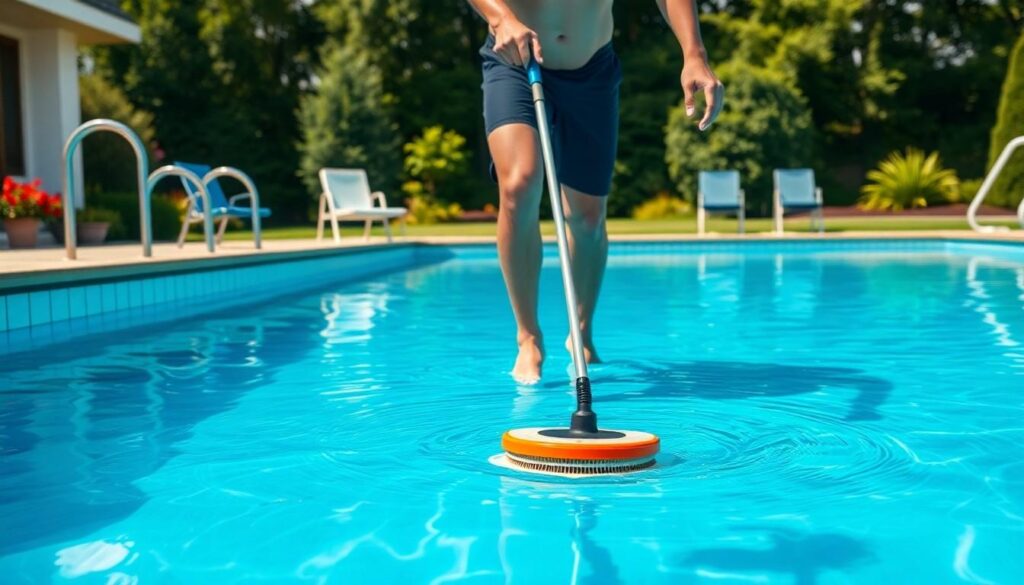
Pool maintenance costs vary based on several factors. Understanding the breakdown of these expenses can help pool owners budget effectively.
Breakdown of Monthly Expenses
Monthly expenses typically range between $100 and $400. Routine cleaning costs around $80, while water chemical treatments can account for $30. For regular equipment checks and repairs, pool owners should allocate about $20 to $50. Additional costs arise from seasonal opening and closing services, which often add $200 to $300 annually. Residents with larger pools or high usage may face higher charges due to increased energy and chemical consumption.
Seasonal Cost Variations
Seasonal variations impact maintenance costs significantly. Spring tends to increase expenses due to pool openings, costing approximately $300. Summer can bring additional charges for chemical use and heightened service requirements, averaging around $150 monthly. Fall and winter maintenance often require reduced investment, typically between $50 and $100, as many pools are closed. In temperate climates, monthly costs fluctuate with seasonal changes affecting both water chemistry and equipment efficiency. This understanding allows for better financial planning throughout the year.
DIY Pool Maintenance vs. Professional Services
Pool maintenance often divides opinions between DIY enthusiasts and those who prefer hiring professionals. Both options come with distinct advantages and disadvantages.
Pros and Cons of DIY
Choosing DIY pool maintenance offers control over costs and scheduling. Owners save money, often spending only on necessary chemicals and equipment. Many find satisfaction in hands-on work and learning about pool care. Some challenges arise, such as the risk of improper chemical balancing, which can lead to water quality issues. Time investment varies, with regular upkeep requiring weekly attention. Homeowners with limited experience may struggle with equipment repairs, potentially resulting in costlier repairs in the long run.
Cost Analysis of Hiring Professionals
Hiring professionals simplifies pool maintenance, allowing owners to focus on enjoying their pools. Service packages typically range from $100 to $400 monthly, depending on pool size and service frequency. Experts bring knowledge, ensuring the water remains safe and balanced. Seasonal costs fluctuate; spring openings average about $300, while summer maintenance often hits $150 monthly due to increased demands. Relying on professionals means minimizing the effort while ensuring proper maintenance. However, continuous professional services can strain budgets for some pool owners. Balancing convenience and cost is crucial for effective pool management.
Cost-Saving Tips for Pool Owners
Pool ownership can be rewarding, and cost-saving strategies can enhance that enjoyment.
Simple Maintenance Tips
Routine maintenance reduces long-term costs. Regularly skimming debris keeps the pool clean and cuts down on expensive equipment repairs. Testing water chemistry weekly prevents imbalances that could lead to costly chemical treatments. Cleaning filters on a monthly basis promotes efficient circulation now and decreases future energy bills. Covering the pool when not in use prevents debris accumulation and minimizes cleaning frequency. Also, checking the pool’s water level helps maintain proper pump functionality, prolonging equipment life.
Choosing Affordable Services
When selecting maintenance services, pool owners should compare local options. Obtaining multiple quotes from different companies enables better decision-making. Evaluating customer reviews provides insight into satisfaction and service quality. Looking for seasonal packages or promotions can yield discounts that positively impact budgeting. Some companies offer loyalty programs, rewarding consistent customers with lower rates. Additionally, asking local community members for recommendations often uncovers reliable service providers. Prioritizing transparency in pricing ensures understanding of all costs involved.
Owning a pool offers undeniable benefits but comes with financial responsibilities that shouldn’t be overlooked. Understanding the average costs of maintenance is essential for effective budgeting and long-term enjoyment. By recognizing the factors that influence these expenses and implementing cost-saving strategies, pool owners can manage their investments wisely. Whether choosing DIY methods or hiring professionals, maintaining a balance between convenience and cost is key. With the right approach, pool ownership can remain a source of relaxation and fun without becoming a financial burden.