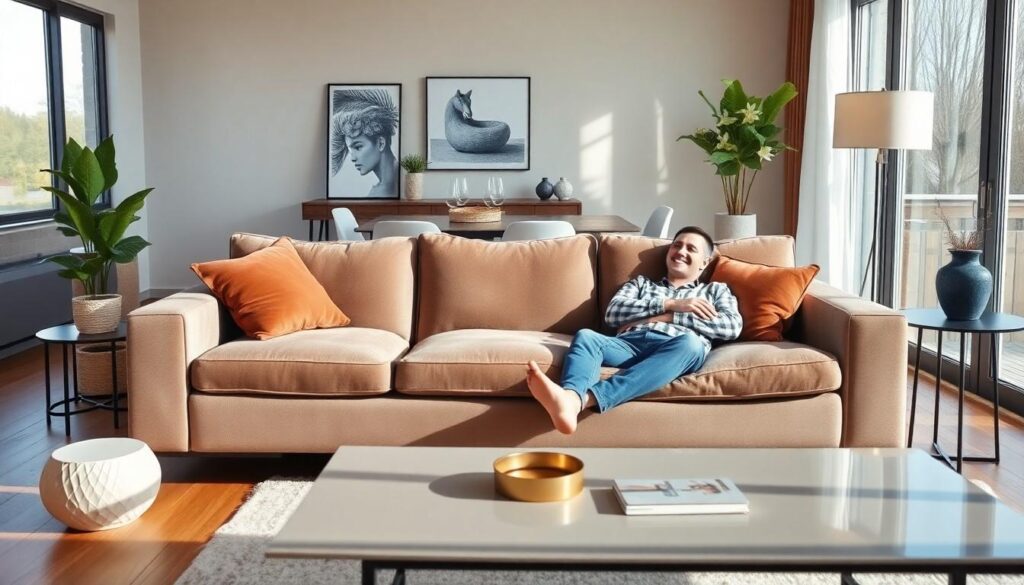
Contemporary furniture isn’t just about aesthetics; it’s a lifestyle choice that screams sophistication while whispering comfort. Imagine walking into a space that feels like a chic art gallery, but instead of paintings, it’s filled with stylish sofas and sleek tables. This isn’t your grandma’s living room; it’s where modern design meets everyday life, making it the perfect backdrop for everything from Netflix binges to impromptu dance parties.
With clean lines and innovative materials, contemporary furniture transforms any room into a masterpiece. Whether it’s a minimalist coffee table that doubles as a conversation starter or a plush sectional that invites relaxation, these pieces do more than just fill a space—they elevate it. So, buckle up as we dive into the world of contemporary furniture, where style meets function, and every piece has a story to tell.
What Is Contemporary Furniture?
Contemporary furniture reflects a blend of elegance and practicality. It centers on modern aesthetics, creating inviting spaces that embody a sophisticated lifestyle.
Characteristics of Contemporary Furniture
Contemporary furniture emphasizes sleek, minimalist designs. Clean lines define its overall look, providing a sense of simplicity. Functionality stands at the forefront, allowing for versatile uses in various settings. Sustainable materials play a significant role, promoting eco-friendly choices. Bold colors and unique textures often enhance visual interest, transforming living environments into artful expressions.
Key Design Elements
Key design elements feature geometric shapes that create a modern feel. Innovative materials such as glass, metal, and wood contribute to durability and style. Neutral color palettes provide a calming backdrop while allowing colorful accessories to stand out. Effective use of space maximizes comfort and practicality, making furniture adaptable to different areas. Lighting design integrates smoothly, enhancing the overall ambiance of contemporary pieces.
Popular Materials Used
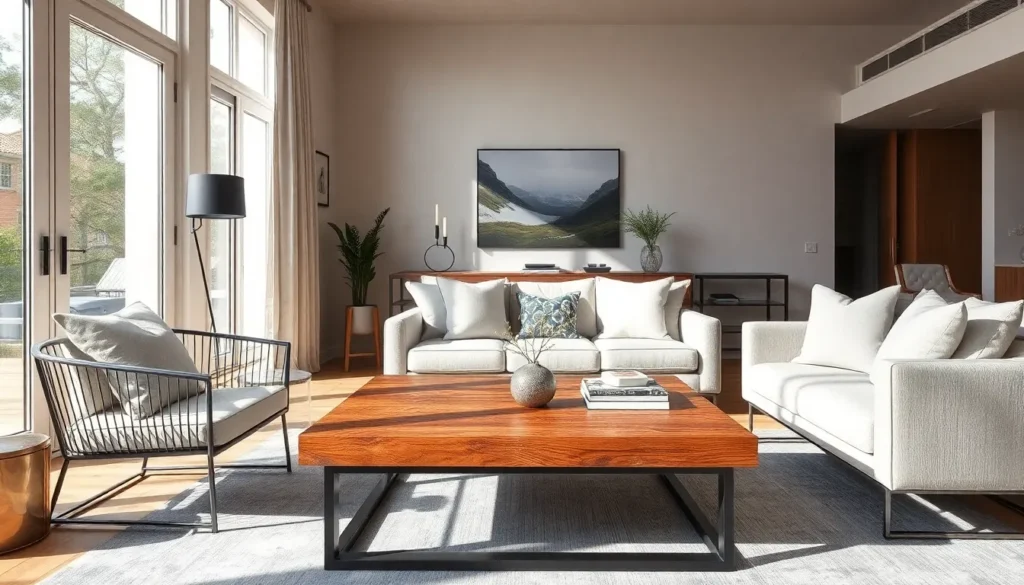
Contemporary furniture incorporates various materials that enhance both aesthetics and functionality. Understanding these popular materials helps in making informed design choices.
Wood
Wood remains a staple in contemporary furniture design. Hardwood options like oak, walnut, and maple provide durability and a timeless appeal. These woods showcase natural grains and textures, adding warmth to modern spaces. Various finishes enhance the wood’s appearance, from matte to glossy. Bamboo, increasingly favored for its sustainability, combines strength with a unique visual appeal. Different wood types allow for versatility in styles, from rustic to sleek, accommodating diverse tastes in modern living.
Metal
Metal introduces a sleek, industrial quality to contemporary furniture. Stainless steel and aluminum resist corrosion and offer long-lasting strength. Designers often use these metals in tables and chairs for a bold statement. The minimalist aesthetic associated with metal pieces complements wood and upholstery elements seamlessly. Additionally, decorative metal finishes, such as brushed or polished, enhance visual interest. Incorporating metal accents can elevate a room’s contemporary vibe, making it feel sophisticated and modern.
Upholstery
Upholstery plays a vital role in the comfort and style of contemporary furniture. Fabrics such as linen, leather, and cotton offer various textures and colors. Linen provides breathability, while leather adds luxury and durability. Bold prints or neutral tones can transform a piece, enhancing the overall ambiance. Eco-friendly textile options gain popularity, reflecting consumer preferences for sustainability. Choosing the right upholstery complements other materials, ensuring a cohesive and inviting look in modern interiors.
Trends in Contemporary Furniture
Contemporary furniture trends reflect a commitment to style, function, and environmental awareness. These elements come together to shape modern living spaces.
Minimalism
Minimalism defines contemporary furniture through simplicity and clean lines. It emphasizes the idea that less is often more, reducing clutter while maximizing visual impact. Sleek shapes characterize minimalistic designs, creating a sense of openness. Neutral color palettes establish a calming atmosphere, accentuating light and space. Minimalist furniture often incorporates natural materials, enhancing both beauty and tactile experience.
Multi-Functional Pieces
Multi-functional pieces gain popularity in contemporary furniture, addressing the need for versatility in modern living. Furniture that serves more than one purpose, like sofas with storage or expandable dining tables, appeals to urban dwellers facing space constraints. These designs promote efficiency, allowing for seamless transitions between activities. Incorporating modular elements enables customization, tailoring spaces to individual lifestyles.
Eco-Friendly Designs
Eco-friendly designs highlight a significant trend in contemporary furniture, focusing on sustainability and responsible sourcing. Manufacturers increasingly use reclaimed wood and recycled materials, minimizing environmental impact. Innovations in production methods help reduce waste and energy consumption. Additionally, sustainable fabrics and finishes meet growing consumer demands for greener options. Emphasizing these practices promotes awareness and encourages conscious purchasing decisions.
Choosing the Right Contemporary Furniture
Choosing contemporary furniture involves careful consideration of space and personal style. Understanding both dimensions enhances the selection process.
Consider Your Space
Assessing space becomes essential when choosing contemporary furniture. Room dimensions dictate the size and scale of furniture pieces. Measuring wall lengths and ceiling heights ensures that chosen items fit comfortably. Open layouts benefit from multi-functional furniture, promoting versatility. Allowing for traffic flow enhances comfort and usability. Optimizing corner and awkward areas can create inviting nooks, maximizing functionality.
Personal Style and Aesthetic
Identifying personal style shapes the selection of contemporary furniture. Preferences in color, texture, and overall vibe influence options. Bold colors might appeal to those seeking statement pieces, while neutral tones align with minimalist tastes. Textural contrasts, like pairing sleek metal with warm wood, adds visual interest. Recognizing individual lifestyle needs further guides choices, ensuring furniture complements daily living. Ultimately, harmonizing personal aesthetics with contemporary design principles results in spaces that feel both stylish and comforting.
Contemporary furniture offers a unique blend of style and functionality that elevates any living space. Its emphasis on clean lines and innovative materials creates an inviting atmosphere while reflecting modern aesthetics. As trends evolve towards minimalism and sustainability, choosing the right pieces becomes crucial for achieving a harmonious environment.
By carefully considering personal preferences and spatial needs, individuals can curate a collection that not only enhances their home’s beauty but also supports their lifestyle. Embracing contemporary furniture means embracing a versatile approach to design that balances elegance with practicality. This thoughtful selection process ultimately transforms spaces into stylish sanctuaries.