In a world overflowing with stuff, minimalist furniture swoops in like a superhero, saving homes from clutter and chaos. It’s not just about having fewer items; it’s about creating spaces that breathe, inspire, and make you feel like a design guru. Imagine walking into a room that feels open and serene, where every piece of furniture serves a purpose and looks good doing it. Who needs a 12-piece sofa set when a sleek, stylish chair can steal the show?
Minimalist furniture isn’t just a trend; it’s a lifestyle choice that whispers sophistication while shouting practicality. It invites you to rethink your space, encouraging you to embrace simplicity without sacrificing style. So, if the thought of a clutter-free haven sounds appealing, it’s time to dive into the world of minimalist design and discover how less truly can be more.
What Is Minimalist Furniture?
Minimalist furniture focuses on simplicity and functionality. This style emphasizes clean lines, neutral colors, and uncluttered spaces. Each piece serves a specific purpose, adding to the overall aesthetic without overwhelming the environment.
The design aims to eliminate excess, fostering an atmosphere of calm and organization. Practicality plays a significant role, as minimalist furniture is often versatile and easy to maintain. Materials like wood, metal, and glass commonly feature in this design approach, creating a sleek and modern look.
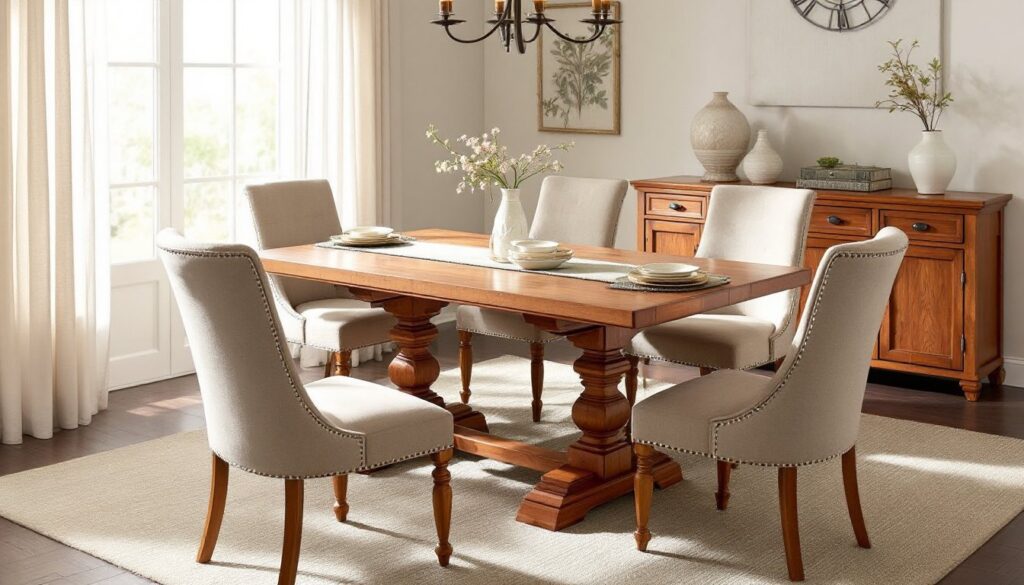
Furniture selections typically include multifunctional items, such as a coffee table that doubles as a storage unit. Sofas often possess simple designs, featuring straight lines and muted tones to enhance visual appeal. Dining tables encourage interaction, promoting a sense of community in a minimalist setting.
Minimalist furniture contributes to a thoughtful, intentional lifestyle. By choosing fewer pieces, individuals gain clarity in their space, reflecting personal values rooted in simplicity. Ultimately, embracing minimalist furniture leads to a serene and functional living environment.
Benefits of Minimalist Furniture
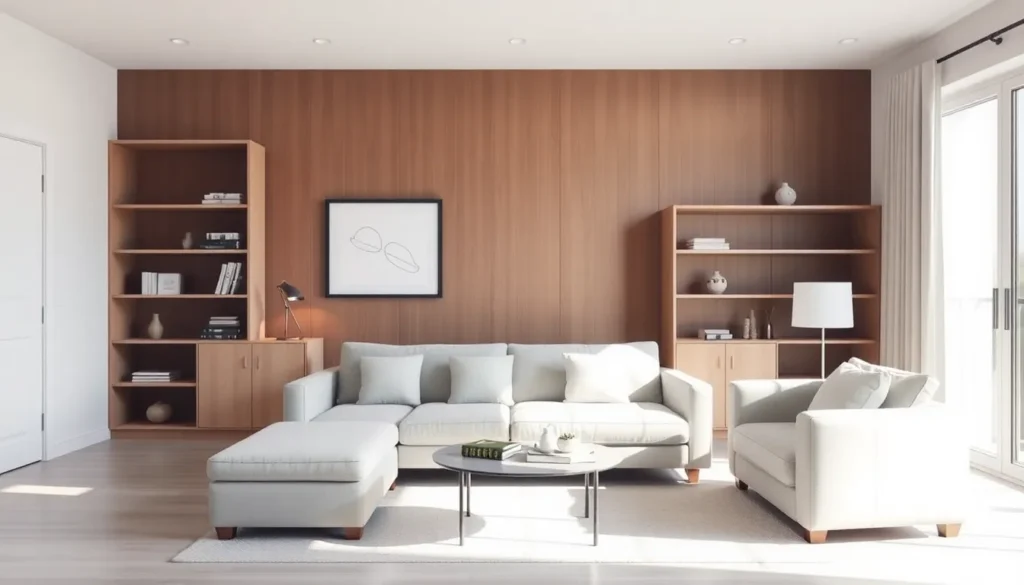
Minimalist furniture offers various advantages that promote an improved living environment. By focusing on essential elements, it enhances both functionality and aesthetics.
Space Efficiency
Space efficiency stands as a primary benefit of minimalist furniture. Furniture designed with functionality in mind occupies less space and creates an open atmosphere. Compact designs often include multifunctional pieces which maximize utility. For instance, a sofa bed serves as both seating and sleeping space, ideal for smaller homes. Open shelving eliminates bulky cabinets, making rooms feel larger. Each piece aims to reduce clutter, ensuring areas remain organized and airy. Optimal use of space encourages a more comfortable living experience.
Aesthetically Pleasing Design
Aesthetically pleasing design is another hallmark of minimalist furniture. Clean lines and neutral colors create a harmonious visual appeal. Simplicity in style allows each piece to shine without overwhelming the eye. Each element contributes to a cohesive look, promoting tranquility within any room. Thoughtful selections enhance overall decor while reflecting sophisticated taste. Additionally, minimalist furniture adapts well to various interior styles, offering flexibility in design choices. Balance and proportion become key principles, resulting in inviting spaces full of intention.
Key Features of Minimalist Furniture
Minimalist furniture is defined by its distinct characteristics that promote simplicity and functionality. Key features include design elements that create an uncluttered, harmonious living space.
Simple Lines and Shapes
Simple lines and shapes characterize minimalist furniture. Each piece often features straight edges, geometric forms, and a lack of ornate details. Such designs create a sense of calm, eliminating distractions in the environment. Clean silhouettes help maintain visual order, allowing the eye to focus on the essential elements within a room. Furniture with simple shapes can easily blend into various decor styles, making it versatile and adaptive. In addition, this simplicity often makes it easier to maintain and integrate with other furniture pieces.
Neutral Color Palettes
Neutral color palettes significantly influence the overall aesthetic of minimalist furniture. Shades like white, beige, gray, and black dominate these designs, promoting a serene atmosphere. Soft tones provide a backdrop that highlights individual furniture pieces without overwhelming a space. This approach enhances natural light reflection, which contributes to an open and airy feel. Furthermore, neutral colors work well together, allowing for easy mixing and matching of items. The subtlety in color choices ensures that the decor remains sophisticated yet understated, aligning perfectly with minimalist principles.
Popular Minimalist Furniture Styles
Minimalist furniture encompasses various styles, each with unique characteristics and influences. Two prominent styles include Scandinavian and Japanese minimalism.
Scandinavian Minimalism
Scandinavian minimalism emphasizes functionality and simplicity. This style features clean lines and natural materials, promoting a sense of warmth. Colors often include whites, grays, and pastels, creating a calm environment. Designers prioritize comfort alongside aesthetic appeal, making chairs and sofas inviting yet stylish. Natural light is central, with furniture often placed to optimize brightness. Decorative elements remain minimal, focusing on quality over quantity. Each piece is crafted to enhance not only utility but also visual harmony, reflecting a connection to nature.
Japanese Minimalism
Japanese minimalism prioritizes tranquility and balance. This style incorporates natural elements, often using wood and stone in construction. Clean lines and organic shapes cultivate a serene atmosphere, while harmonious color palettes contribute to a peaceful environment. Japanese furniture often features multifunctional designs, maximizing space efficiency in smaller homes. Furthermore, rooms are uncluttered, encouraging mindfulness and simplicity. Ethereal aesthetics allow furniture to blend seamlessly into its surroundings, emphasizing the importance of open spaces. Careful attention to detail defines this style, celebrating craftsmanship and tradition.
How to Incorporate Minimalist Furniture into Your Home
Incorporating minimalist furniture into a home encourages a serene, functional atmosphere. Each piece should serve a purpose while enhancing overall decor.
Tips for Selection and Arrangement
Prioritize multifunctional furniture, as it maximizes space efficiency. Consider choosing items with clean lines and neutral colors, which foster a calming environment. Arrange furniture to create open pathways, promoting airflow and natural light. Emphasize balance and harmony in the layout, ensuring no area feels overcrowded. Use fewer but more impactful pieces to maintain simplicity and elegance. Utilize natural materials, like wood and metal, for an inviting touch. Finally, keep decorative elements minimal to let the furniture stand out.
DIY Minimalist Furniture Ideas
Create custom shelves from reclaimed wood to enhance vertical storage. Build a simple coffee table using pallets, adding a unique touch to the living area. Design a bench using an unfinished wood slab, providing both seating and storage. Construct a minimalist desk from a single sheet of plywood for a clean workspace. Fabricate cushions for seating using natural fabrics like cotton or linen, enhancing comfort without clutter. Consider repainting existing furniture in neutral shades for a fresh, minimalist look. Each DIY project reinforces simplicity while allowing for creativity and personalization.
Embracing minimalist furniture can transform living spaces into serene havens that reflect personal style and values. By prioritizing simplicity and functionality, individuals can create environments that promote tranquility and organization. The thoughtful selection of pieces not only maximizes space but also enhances the aesthetic appeal of any room.
Whether opting for Scandinavian or Japanese styles, each choice contributes to a harmonious atmosphere that encourages mindfulness and community. As readers consider incorporating minimalist furniture into their homes, they’ll find that this approach fosters a lifestyle centered around intentional living and appreciation for quality craftsmanship.