Building a functional outdoor living space doesn’t require dropping thousands on patio furniture. Whether you’re furnishing a small balcony or outfitting a full deck, solid seating and tables under $250 are absolutely achievable in 2026. The key is knowing where to look, what materials hold up over time, and how to prioritize pieces that deliver both comfort and durability. This guide walks you through finding genuine quality on a tight budget, no Pinterest fluff, just practical advice from someone who’s helped homeowners furnish their outdoor spaces without very costly.
Table of Contents
ToggleKey Takeaways
- Quality patio furniture under $250 is achievable by shopping off-peak seasons (late summer and winter), checking multiple online platforms weekly, and understanding material tradeoffs upfront.
- Aluminum frames with HDPE resin or synthetic wicker offer the best durability for budget patio furniture, resisting weather and requiring minimal maintenance compared to plastic or wood options.
- Big-box retailers like Walmart and Home Depot, online marketplaces like Wayfair, and Facebook Marketplace offer reliable sources for affordable outdoor furniture with transparent pricing and return policies.
- Prioritize comfort and functionality—sit in a chair before buying and measure your patio space first—rather than chasing trendy aesthetics that may waste money on unused pieces.
- Stagger your patio furniture purchases, mix-and-match individual pieces instead of buying full sets, and perform monthly maintenance to extend the lifespan of budget furniture from 2 years to 5+ years.
How to Find Quality Patio Furniture on a Tight Budget
Finding solid patio furniture under $250 comes down to three things: timing, material knowledge, and realistic expectations.
First, shop during off-peak seasons. Late summer (August–September) and fall see inventory clearance as retailers make room for indoor furniture. Winter months also yield steep discounts on outdoor pieces, since demand drops. Online retailers adjust pricing more frequently than brick-and-mortar stores, so check multiple platforms weekly if you’re hunting deals.
Second, understand what you’re buying. A plastic resin chair costs less than aluminum or wood but may degrade under UV exposure within 2–3 years. Metal mesh seating (like bistro sets) is lightweight and rust-resistant but sometimes uncomfortable for long periods. Wood options are attractive but demand regular staining or sealing, budget that maintenance time upfront.
Third, accept tradeoffs. At this price point, you’re often choosing between style, comfort, and extreme durability. A $200 set might look great but require assembly. Another might assemble in 20 minutes but use thinner gauge steel. Read reviews specifically about longevity and ease of setup: those two factors matter more than a photo.
Check return policies carefully. Major retailers offer 30–90 day returns: verify before buying. Budget retailers sometimes don’t, so buy local if returns aren’t guaranteed.
Top Places to Shop for Affordable Outdoor Furniture
You have several reliable channels for budget patio furniture.
Big-box retailers like Walmart, Target, and Home Depot Outdoor Furniture stock seasonal inventory from brands like Threshold, Opalhouse, and better homes & gardens at competitive prices. Home Depot often runs sales on outdoor sets, and returns are straightforward. Walmart’s selection skews toward plastic and basic resin furniture, perfect if you want true rock-bottom pricing.
Online marketplaces like Amazon, Wayfair, and Overstock offer wider selection and sometimes better reviews than in-store options. You can filter by price, material, and customer ratings. Shipping costs can eat into savings on heavier items, so factor that in. Many waive shipping on orders above $50–75.
Specialty outdoor retailers like Costco (membership required) and local furniture consignment shops sometimes offer overstock or display models at 20–40% off retail. Consignment pieces are hit-or-miss but can be genuinely good finds.
Facebook Marketplace and Craigslist yield gently used pieces from homeowners upgrading their patios. Inspect carefully for rust, cracked frames, or sun damage. You’ll save 40–60% versus new, but haggling and pickup logistics are your responsibility.
Start with 2–3 sources and compare the same model across platforms. Pricing fluctuates weekly.
The Best Patio Chair Options Under $250
At this budget, you can buy individual chairs or small seating sets.
Plastic adirondack or Adirondack-style chairs ($40–80) are the workhorse of budget outdoor seating. Brands like Polywood (higher end, $150–200 for one) and store-brand resin versions ($30–50) look similar but differ in UV resistance. Polywood uses recycled plastic and resists fading: cheap knockoffs fade within a year in sunny climates. If you live in a harsh UV zone (southern or western exposures), spend the extra $20 per chair for better material.
Bistro sets (two metal chairs + small table, $120–200) pack efficiency. These compact metal mesh or slatted steel chairs work on tiny patios and don’t take up visual space. Downside: metal seats can be cold and firm, and rust can appear around welds if the finish chips.
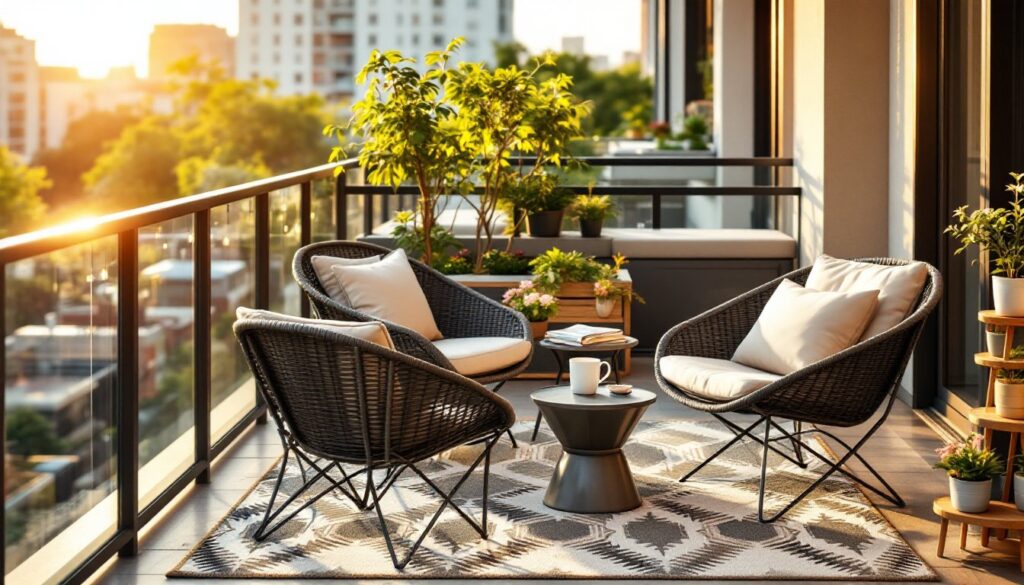
Woven or rattan-style chairs ($80–150 per chair) mimic expensive resort furniture. Most budget versions use synthetic wicker over aluminum frames. Check that weaving is tight and the frame is aluminum (not steel) to avoid rust. Assembly typically takes 30 minutes.
Folding camping-style chairs ($30–60) sacrifice looks for practicality. They’re ideal if you move furniture seasonally or host large groups. Durable ones use 600D polyester fabric and aluminum frames.
Priority: comfort and longevity over trendy aesthetics. Sit in the chair for 2 minutes (in-store or after delivery) before committing. A cheap chair that’s uncomfortable stays unused.
Budget-Friendly Patio Tables and Conversation Sets
Tables anchor a patio setup and often cost more than chairs, so choose carefully.
Plastic resin tables ($60–150) are lightweight, easy to clean, and don’t rust. They feel hollow and can blow over in wind, so you’ll need weighted chairs or a base kit. Color fades moderately: white and beige hold up better than dark colors under sun.
Metal bistro or cafe tables ($80–180) use aluminum or powder-coated steel legs with glass or metal tops. Aluminum is lighter but more expensive: steel is heavier but cheaper. Glass tops are elegant but show fingerprints and require careful cleaning. Metal mesh or solid steel tops hide marks better.
Wood tables ($100–200) offer classic charm but demand upkeep. Most budget options use pine or tropical hardwood that needs sealing every 1–2 years. If you’re not willing to sand and seal annually, skip this material.
Conversation sets (four chairs + table, $150–250) combine seating into one package. You’re trading individual flexibility for unified design and better bulk pricing. Most under-$250 sets use plastic chairs and metal or resin tables. Assembly varies from 15 minutes to an hour depending on the set.
Measure your patio space first. A 4-foot table works on decks 10×10 or larger. For smaller spaces, stack two bistro chairs against a 30-inch cocktail table instead of forcing a full set into a cramped area. Function beats aesthetic.
Materials That Last: Choosing Durable Budget Furniture
Material choice is the single biggest factor in whether budget furniture lasts two years or five.
Aluminum is corrosion-resistant and lightweight, ideal for coastal or humid climates. It costs slightly more upfront but outlasts steel by years. Powder-coated steel is cheaper but rusts if the coating chips. Inspect welds: rough edges trap moisture.
Resin and plastic resist moisture but degrade under UV exposure. HDPE (high-density polyethylene) and recycled plastic last longer than virgin plastic. Look for terms like “UV-protected” or “fade-resistant” on labels. Budget resin furniture may fade noticeably within 18 months in full-sun exposure: better materials stretch that to 3+ years.
Woven synthetic wicker (polyethylene or polypropylene) resists mildew and fades less than natural rattan. The frame matters more than the weave: ensure frames are aluminum, not steel. Check that weaves are tight and sewn, not just glued.
Wood (teak, cedar, or treated pine) is beautiful but labor-intensive. Budget wood furniture uses less stable wood and thinner frames than premium versions, so it splits or warps faster. If you choose wood, plan to seal it annually.
For maximum durability at budget prices, prioritize aluminum frames with HDPE resin or synthetic wicker. These combinations resist weather, require minimal maintenance, and often carry weather-proof outdoor furniture ratings that justify the extra $20–30 per piece.
Money-Saving Tips to Maximize Your Patio Investment
Stretching your $250 budget requires strategy.
Buy mix-and-match. Instead of a full set, combine a $120 bistro table with two $50 chairs and one $80 lounge chair. You get variety and better quality components than a bundled set.
Prioritize seating over decor. Cushions, throw pillows, and umbrellas are nice but depreciate fast and require storage. Solid furniture holds value longer. Spend your money on pieces you’ll actually use daily.
Stagger purchases. Don’t feel pressured to buy everything at once. Start with seating this year, add a table next season when you spot a sale. Your patio evolves, and you’ll make better choices if you live with pieces before expanding.
Check scratch-and-dent inventory. Many retailers discount floor models or slightly damaged boxes at 15–30% off. Cosmetic damage doesn’t affect function.
DIY finishing touches. Instead of buying expensive conversation sets, create one with affordable individual pieces and add character with plants, string lights, or a small outdoor rug. Professional outdoor design magazines like Sunset magazine and Gardenista showcase budget-friendly patio ideas that prove you don’t need expensive furniture to create an inviting space.
Maintain what you buy. Spend an hour per month cleaning and checking for rust or loose bolts. Preventive care extends furniture life by years, turning a $150 purchase into a five-year investment.
Negotiate on local pickups. If buying used or from local sellers, ask for discounts on pickup deals. You save them shipping: they reduce price. Offer 10–15% less and see what sticks.
Conclusion
Finding quality patio furniture under $250 is entirely doable if you’re willing to do the assignments. Prioritize materials that last (aluminum, synthetic wicker, HDPE plastic), shop off-season, and accept that budget furniture sometimes requires tradeoffs in style or color range. Start with pieces you’ll use daily, a comfortable chair and sturdy table, and grow from there. Your patio will thank you, and your wallet will appreciate the savings.