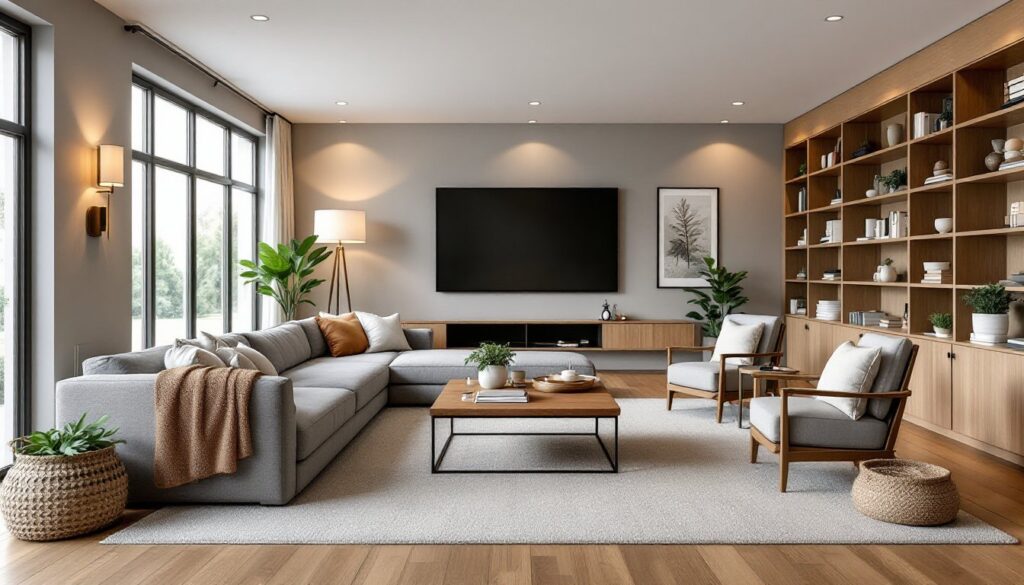
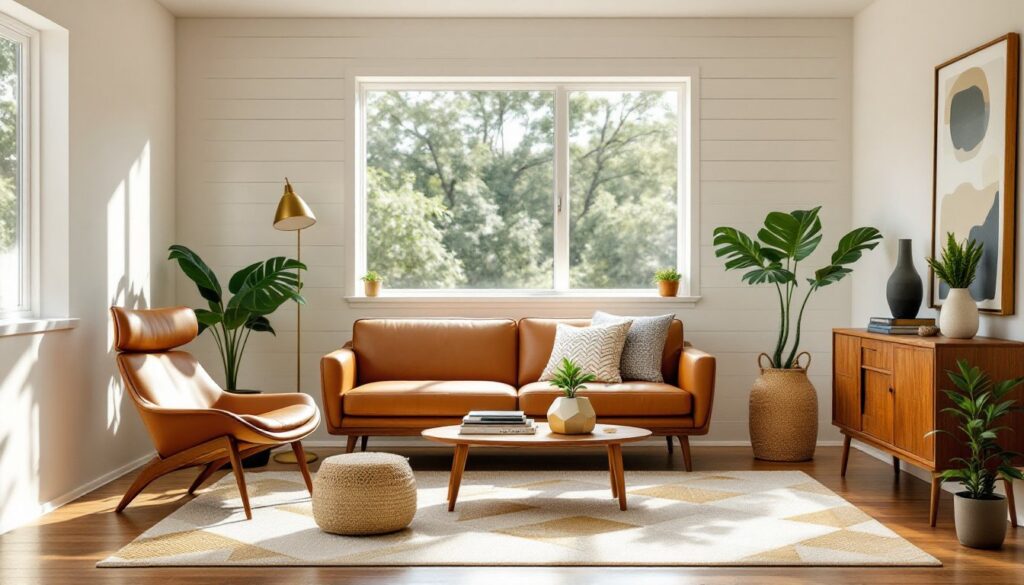
A small living room doesn’t have to feel cramped or cluttered. The right furniture layout can make the space feel open, functional, and inviting, without sacrificing comfort or style. Whether you’re working with a studio apartment, a compact family room, or a cozy den, the key is being intentional about what you bring in and where you place it. This guide walks through practical furniture layout strategies that actually work for small living rooms, helping you maximize every square foot without making the space feel like a maze. From floating furniture to smart storage solutions, these tips will transform how you use your small living room.
Table of Contents
ToggleKey Takeaways
- Measure your room dimensions, doorways, and natural light sources before arranging furniture to avoid blocking pathways and wasting floor space.
- Choose multi-functional furniture pieces like storage ottomans, sofa beds, and console tables with drawers to maximize utility without adding visual clutter.
- Float your furniture 12–18 inches from walls and anchor it with a rug to create an intentional living zone that feels more spacious than wall-hugging layouts.
- Apply the triangle seating arrangement by positioning sofas and chairs at 90-degree angles around a focal point to encourage conversation and define the space efficiently.
- Use vertical storage with tall bookcases and floating shelves to draw the eye upward and free up floor space, making your small living room furniture layout feel less cramped.
- Layer lighting with ceiling fixtures, table lamps, and mirrors across from windows to reflect natural light and create an illusion of depth and openness.
Assess Your Room Dimensions And Natural Flow
Before you move a single piece of furniture, measure your living room carefully. Write down the exact dimensions, length, width, and ceiling height, and mark doorways, windows, heating vents, and electrical outlets on a rough sketch. Note which walls get natural light and where foot traffic naturally flows from entry points.
This matters because small rooms punish poor planning. A sofa that blocks a doorway or sits too close to a window kills the room’s functionality. Walk through your space mentally: Where do people naturally move? Is there a hallway that becomes a bottleneck if furniture juts out? Does the layout force you to squeeze past the TV to reach the kitchen? These are friction points that make small spaces feel even smaller.
Take measurements of doorways and hallways too. A sectional that looks great in a showroom becomes a permanent fixture if it can’t physically fit through your door. Check heights as well, a tall bookcase near a window might block light, while one in a corner uses dead space efficiently. This upfront work saves hours of rearranging later.
Choose Multi-Functional Furniture Pieces
In a small living room, every piece needs to earn its place. A coffee table with storage, an ottoman that doubles as seating, or a TV console with drawers replaces clutter with utility. A sofa bed or daybed works as both seating and sleeping space if guests stay over. Look for pieces that collapse, nest, or stack when you’re not using them.
Storage is the unsung hero of small spaces. Furniture like media consoles with shelving, storage benches, and nesting tables keep items out of sight without requiring extra wall space. A side table with a drawer or shelf underneath beats a simple pedestal table every time. Corner cubes or modular shelving units adapt to your layout and grow as your storage needs change.
Consider the depth of your pieces too. A sofa that sits 32 inches deep takes up far less floor space than one at 40 inches. A slim console table behind a floating sofa can hold plants, lamps, or decor without feeling bulky. The beauty of minimalist furniture in small spaces is that it forces you to choose quality pieces you actually use rather than filling rooms with stuff that drains space visually. When every item serves two purposes, your room breathes easier.
Float Your Furniture Away From Walls
Counterintuitive as it sounds, pulling furniture away from walls actually makes small rooms feel bigger. When everything hugs the perimeter, the space feels hollow and disjointed, like the furniture is clinging to safety. Floating a sofa 12 to 18 inches from the wall creates a sense of intentional arrangement and defines the living zone.
Place a console table or a narrow credenza behind a floating sofa to anchor it and add surface space. A rug underneath the furniture arrangement ties everything together and signals that this is a distinct living area, not just stuff pushed to the sides. The rug should be large enough that at least the front legs of seating pieces sit on it, typically 8 by 10 feet or 9 by 12 feet for a living room, even a small one.
Floating works best when you have a focal point to orient around: a fireplace, a TV wall, or a window with a view. Arrange seating to face that focal point rather than spreading chairs around the perimeter like you’re waiting for a meeting to start. This setup creates a cozy, conversation-friendly zone that feels intentional and intimate. Industry designers at Homedit frequently highlight floating as a game-changer for compact rooms because it maximizes usable floor space and improves sightlines.
Use Vertical Storage To Minimize Floor Clutter
Small rooms have limited square footage but usually plenty of wall space. Tall bookcases, wall-mounted shelves, and cabinets that reach toward the ceiling draw the eye upward and create an illusion of height. Vertical storage also gets items off the floor, which makes even a crowded room feel less cluttered.
Choose shelving that’s open or glass-fronted so it doesn’t block light or feel heavy. Floating shelves work well above a sofa or console table for decorative items, small plants, or books. Install shelves at varying heights to add visual interest and accommodate different item sizes. Peg boards, floating wall cubbies, and ladder shelves offer flexible storage without permanent installation.
Keep items on display minimal and organized. Too many small objects create visual chaos that makes a room feel smaller. Group similar items together, use matching baskets or bins on shelves, and leave breathing room. The principle is simple: clutter reads as chaos, while organized vertical storage reads as intentional design. By moving storage up instead of out, you free up floor space for movement and create sightlines that make the room feel more open. Home Stretch Furniture emphasizes how proper storage lets comfortable seating take center stage without competing for visual attention.
Apply The Triangle Seating Arrangement
The triangle seating arrangement is a proven layout strategy for small living rooms with multiple seating pieces. Instead of lining a sofa and chairs around the walls, position them at angles around a low table or focal point, creating an invisible triangle. This setup encourages conversation and makes the space feel more intimate.
If you have a sofa, armchair, and accent chair, arrange them so they face inward at roughly 90-degree angles. A small round or square coffee table in the center anchors the arrangement. Each seating piece sits 6 to 8 feet apart, close enough for conversation, far enough to feel comfortable. This layout works with just two pieces too: a sofa and an armchair angled across from each other create an instant conversation nook.
The triangle approach accomplishes several things at once. It breaks up linear, wall-hugging layouts that feel stiff. It defines the living zone clearly for guests. It also eliminates awkward gaps and wasted space because pieces are oriented toward a purpose rather than positioned randomly. Research on home design from Apartment Therapy shows that layouts encouraging face-to-face interaction feel roomier because people naturally relax in that configuration. Small rooms especially benefit from this intentionality.
Layer Lighting And Mirrors For Openness
Lighting and mirrors are free real estate in small rooms. Poor lighting makes spaces feel cramped and dingy: good lighting opens them up psychologically and visually. Install a ceiling fixture for overall ambient light, add table lamps on side tables for task and accent lighting, and use wall sconces to save table space while adding brightness to corners.
Mirrors are the secret weapon. A large mirror hung across from a window reflects natural light throughout the room and creates the illusion of depth. Lean an oversized mirror against a wall if you can’t mount one, or use several smaller mirrors grouped together. Mirrored furniture like a console table with a mirrored top or a media stand with reflective surfaces bounces light without taking up extra space.
Avoid heavy, dark lampshades or dark walls that absorb light. Instead, use soft white or warm white bulbs (around 2700K color temperature) to keep the space feeling warm but bright. Plug-in wall sconces avoid drilling and work well above a sofa or beside a floating shelf. Small architectural touches like these cost far less than buying new furniture but transform how a room feels. Houzz consistently demonstrates how lighting and mirror placement can double the perceived size of a compact room. A well-lit, mirrored small living room always feels larger and more welcoming than a dim one, no matter the actual square footage.
Conclusion
Small living rooms succeed when every piece of furniture and every design choice serves a purpose. Start by measuring carefully, choose multi-functional pieces, float your furniture to define zones, and use vertical space for storage. Apply the triangle seating arrangement to encourage comfort and conversation, then layer in lighting and mirrors to make the space feel open and intentional. These strategies work together to maximize square footage without cramming in more stuff. Your small living room can feel spacious, functional, and genuinely livable, you just need the right layout.