Phoenix summers are unforgiving, temperatures regularly exceed 110°F, and the intense UV radiation can degrade ordinary outdoor furniture in a single season. If you’re shopping for patio furniture in Phoenix or the surrounding desert, you’re not looking for the same pieces that work in temperate climates. The best patio furniture for Phoenix needs to withstand extreme heat, resist fading, and maintain structural integrity when the thermometer climbs. This guide walks you through the materials, features, and maintenance practices that keep desert patios functional and inviting year-round.
Table of Contents
ToggleKey Takeaways
- Phoenix patio furniture must withstand extreme heat exceeding 110°F and intense UV radiation that standard outdoor furniture cannot endure, requiring climate-specific material choices and engineering.
- Aluminum with powder-coated finishes and synthetic wicker over aluminum frames are the top materials for patio furniture in Phoenix, as they resist UV fading, won’t rust, and handle thermal expansion better than traditional alternatives.
- Slatted or mesh seating designs, elevated feet, and shade integration are essential features that reduce heat retention, prevent moisture pooling, and significantly extend the lifespan of desert patio furniture.
- Solution-dyed acrylic and polyester performance fabrics resist fading and dry quickly, making them ideal cushion choices for Phoenix’s intense sun and water-conscious climate.
- Seasonal maintenance including dusting every two weeks, tightening fasteners twice yearly, and storing cushions indoors during peak summer heat can double or triple your patio furniture’s longevity in desert conditions.
Why Phoenix Requires Special Patio Furniture Considerations
Standard outdoor furniture is designed for climates with moderate heat and humidity. Phoenix doesn’t fit that profile. UV exposure in the desert is among the most intense in the country, the sun’s rays aren’t filtered by coastal moisture or cloud cover the way they are in other regions. This relentless radiation breaks down plastics, fades paint and stains, and weakens synthetic fabrics.
Beyond UV, Phoenix’s heat affects materials differently than humidity-heavy climates do. Metal expands and contracts rapidly with temperature swings, a piece that’s 150°F in direct sun might drop to 80°F when shade covers it. This thermal cycling can loosen bolts, crack welds, and warp wood over time. Wood furniture that thrives in Seattle or Florida may split or check in Phoenix’s low humidity and high temperatures.
Another overlooked factor: ground-contact temperatures. Sand and pavement in a Phoenix summer can reach 160–180°F. Furniture feet, frames, and any parts touching the ground experience different stress than the upper portions. Choosing materials and finishes engineered for these conditions, not hoping generic “outdoor” products will survive, makes the difference between a five-year and a ten-year investment.
Top Materials That Handle Phoenix’s Intense Sun and Heat
Heat-Resistant Metal and Aluminum Options
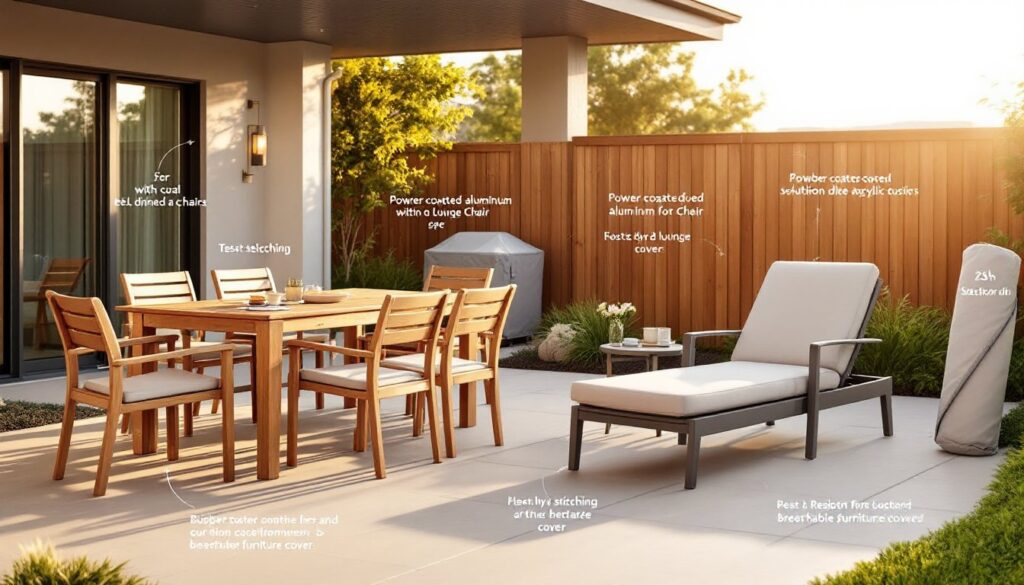
Aluminum is the workhorse for Phoenix patios. It’s lightweight, won’t rust, and dissipates heat better than heavier metals. Look for furniture with powder-coated finishes, a baked-on coating that resists UV fading far better than painted surfaces. Powder coating creates a harder, more durable layer that won’t chip easily, even when temperatures spike and contract.
Stainless steel is another solid choice, though it’s heavier and pricier. It won’t corrode, resists heat, and looks sleek, but it does get hot to the touch in direct sun (a cushion is essential). Cast aluminum works well too, though it’s more decorative than functional for heavy daily use.
Avoid untreated steel and iron in Phoenix: the combination of heat and low humidity won’t prevent rust reliably, and they absorb and radiate heat intensely, you won’t want to sit on an iron chair in mid-July.
Weather-Proof Wicker and Rattan Alternatives
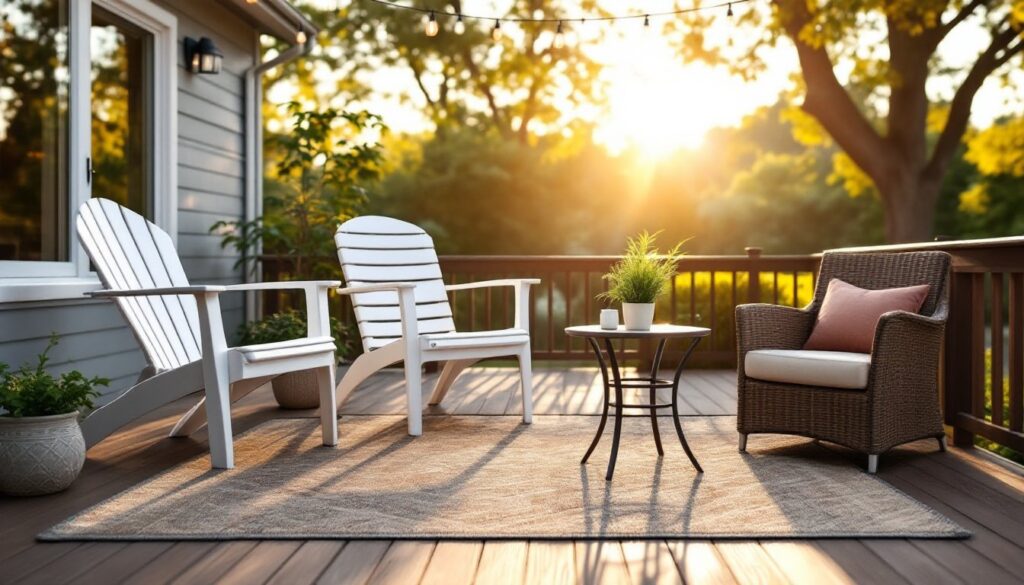
Natural wicker and rattan dry out and crack in Phoenix’s heat. The solution: synthetic wicker made from polyethylene or polypropylene. These materials mimic the look of natural wicker but resist UV fading and won’t become brittle in extreme heat. Check that the synthetic weave is rated for outdoor use and UV-resistant: not all plastic wicker is created equal.
When shopping for wicker, look for a aluminum or steel frame underneath, the wicker is only as durable as its skeleton. The frame bears the weight and thermal stress: skimping here means a sagging chair in two seasons.
For cushions and fabrics, choose solution-dyed acrylic or polyester performance fabrics. Solution-dyed means the color is mixed into the fiber itself, not printed on the surface, so fading is minimal even after years in Phoenix sun. Performance fabrics are engineered to dry quickly and resist stains, critical in a climate where water is precious and you’ll want furniture to be hose-down ready.
Essential Features to Look For in Desert Patio Furniture
Slats, mesh, or ventilation matter more in Phoenix than in other climates. Solid seating surfaces absorb and trap heat, making the chair uncomfortable and potentially damaging the material underneath. Slatted or mesh designs allow air circulation and reduce heat retention. This also prevents water from pooling during rare rain or when you rinse dust off.
Check for elevated feet or a gap between the frame and ground. Direct contact with hot pavement accelerates wear on the frame and promotes rust or material degradation. Even a half-inch gap helps significantly.
Removable cushions are a practical necessity. Cushions take a beating in Phoenix, they’ll fade, deteriorate, or get dingy faster than the frame. Being able to replace or wash them independently extends furniture life and keeps your patio looking fresh without replacing everything. Look for covers with UV-blocking zippers and cushion cores that resist moisture and dry quickly.
Adjustable recliners or loungers are worth the investment in a climate where you’ll actually use your patio evenings and early mornings. Having the ability to recline fully or tilt back gives you options as the sun’s angle changes throughout the day. Ensure hinges and adjustment mechanisms are stainless steel or powder-coated, they experience constant thermal stress.
Shade integration is critical. A patio with no overhead coverage is unusable in Phoenix during daylight hours. Pair furniture with a pergola, shade sail, or retractable awning. This protects both you and the furniture. According to weather-resistant outdoor furniture guides, shaded furniture lasts significantly longer and stays cooler to the touch.
Maintenance Tips to Extend Your Furniture’s Lifespan
Dust and rinse regularly. Phoenix’s dust is fine and abrasive, it gets into joints, around bolts, and under frames. A quick hose-down every two weeks removes dust that can scratch finishes and trap moisture. Use a soft brush on wicker and textured surfaces to avoid driving dust deeper into crevices.
Check fasteners seasonally. Thermal expansion loosens bolts and nuts. Twice a year, spring and fall, go through your furniture with a wrench or Allen wrench and tighten everything. A loose bolt can turn into a structural failure mid-summer when someone sits down.
Inspect welds and joints monthly. Look for cracks, especially in cast aluminum or welded frames. A small crack now becomes a break later when the material expands in heat. Minor cracks can be reinforced with epoxy: larger ones warrant professional repair or replacement.
Store or cover cushions off-season. Even though Phoenix has mild winters, storing cushions indoors during the brutal summer months (June–August) extends their life by years. UV damage is cumulative: reducing exposure when you’re not using the patio is smart maintenance. If you use furniture year-round, invest in cushion storage bags and keep them in a garage or shed during peak heat.
Use protective sealants sparingly. Teak and some hardwoods benefit from occasional oil treatments, but in Phoenix’s heat, overseal and you risk trapping moisture. If using sealant, apply it in early morning or evening when it won’t dry too quickly, which can leave a cloudy finish. For aluminum and painted surfaces, protective wax isn’t usually necessary if the powder coat is intact.
Replace worn gaskets and seals promptly. Any rubber or foam seals around bolts or joints degrade faster in intense heat. Cracked seals let moisture in and allow bolts to loosen. Replacement gasket kits are inexpensive and prevent expensive repairs. Design inspiration and regional considerations come into play as well, resources like Sunset magazine’s outdoor entertaining guides and The Spruce’s comprehensive home improvement sections offer regional wisdom for desert living. You might also explore Gardenista for landscape and outdoor design inspiration that complements your furniture choices.
Conclusion
Phoenix patio furniture doesn’t have to be sacrificial, it just needs to be chosen and maintained with the desert in mind. Aluminum with powder coating, synthetic wicker over aluminum frames, and solution-dyed fabrics are engineered for this climate. Add shade, check fasteners twice yearly, and dust regularly, and your furniture will outlast the generic pieces that fail after two seasons. Plan ahead, choose wisely, and your Phoenix patio becomes a functional, durable outdoor space.