Iron patio furniture sets have earned their place as a homeowner favorite for good reason: they’re built to last, they look timeless, and they handle weather better than most outdoor seating options. Unlike flimsy aluminum or plastic alternatives, iron pieces develop character with age while maintaining structural integrity for decades. Whether you’re furnishing a small balcony or a sprawling patio, understanding the difference between types, maintenance needs, and styling options helps you make a smart investment. This guide walks you through what to look for when choosing iron patio furniture, how to keep it looking sharp, and where to find quality sets that won’t expensive.
Table of Contents
ToggleKey Takeaways
- Iron patio furniture sets outlast plastic and aluminum alternatives by decades, with properly made pieces supporting 250+ pounds without sagging or developing structural damage.
- Wrought iron resists rust better and weighs 40–60% less than cast iron, while cast iron allows ornate designs but requires more frequent maintenance in humid climates.
- Quarterly inspections and immediate touch-ups of chips prevent rust development, with basic maintenance like soft-brush cleaning and annual wax treatments keeping iron furniture protected year-round.
- Quality iron patio furniture frames justify upfront costs through repairability—welded repairs and finish touch-ups extend lifespan far longer than composite or plastic pieces that degrade permanently.
- Seasonal shopping (April–June clearance or August discounts) and comparing local versus online retailers can save 15–25% on iron patio furniture sets without sacrificing quality.
What Makes Iron Patio Furniture a Smart Choice
Iron furniture brings durability that outlasts trends and trend-chasing purchases. Unlike resin or plastic pieces that crack under UV exposure or weather cycles, iron stays structurally sound through seasons of rain, sun, and temperature swings. Cast and wrought iron both handle load stress exceptionally well, a properly made iron chair will support a 250-pound person for 20+ years without sagging or splitting.
The aesthetic advantage is equally important. Iron has weight and presence that makes a patio feel intentional and established, not like you’re setting up a temporary camp. It reads “home” in a way that plastic stackables never will. Wrought iron especially develops a patina over time, adding visual depth that manufacturers can’t replicate.
From a practical standpoint, iron pieces are repairable. A dented frame can be welded back into shape. A broken spindle can be replaced. Once rust is addressed, the underlying material isn’t compromised, compare that to composite furniture that degrades permanently when exposed or damaged. This repairability justifies the higher upfront cost and makes iron a true investment in your outdoor space.
Types of Iron Patio Furniture Sets to Consider
Iron patio furniture comes in two main categories, each with different characteristics. Understanding the distinction helps you pick the right set for your climate, maintenance tolerance, and design goals.
Wrought Iron vs. Cast Iron
Wrought iron is hammered and shaped while hot, creating a dense, fibrous structure. It’s lighter than cast iron, more flexible, and significantly more resistant to rust. The manufacturing process leaves wrought iron tougher, it won’t shatter or crack under impact the way cast iron can. If you live in a humid coastal climate or somewhere with frequent rain, wrought iron edges out cast iron for longevity. A wrought iron set typically weighs 40–60% less than a comparable cast iron set, making it easier to rearrange or move seasonal pieces.
Cast iron is melted and poured into molds, resulting in a heavier, more rigid material. It’s denser and stronger in compression, meaning it resists bending under sustained weight. Cast iron allows for more ornate, detailed designs, those intricate scrollwork backs and decorative legs you see on Victorian-style sets almost always require casting. Cast iron does rust faster if the finish is compromised, and it can crack if dropped from height or if internal stress builds from uneven settling. But, cast iron’s weight also means it won’t shift in wind and feels incredibly stable underfoot.
Many modern patio sets blend both: a cast iron base with wrought iron slat backs, or vice versa. This hybrid approach captures the design flexibility of cast iron with the durability advantage of wrought iron components. Look for sets that specify material breakdown so you know what you’re getting. A 10-piece powder-coated metal dining set often combines materials strategically to maximize both aesthetics and performance.
Maintenance Essentials for Long-Lasting Iron Furniture
Rust is iron’s only real enemy, but it’s entirely preventable with basic maintenance. The key is starting with good protection and staying consistent. Most quality iron patio sets arrive with a powder-coated or painted finish, this is your first line of defense. Powder coating bonds to the metal surface at a molecular level during high-heat curing, creating a hard, durable shell that regular spray paint can’t match.
Inspect your furniture quarterly for chips, cracks, or areas where the finish has worn away. Address any bare spots immediately: even a pencil-eraser-sized scratch can turn into a rust spot within weeks in humid conditions. Touch up with a rust-inhibiting metal primer and top coat rated for outdoor use. For small chips, a two-in-one primer-paint product like Rust-Oleum Universal works fine and takes 30 minutes to an hour per repair.
Clean iron furniture two or three times per season with a soft-bristle brush and mild soapy water. Avoid pressure washers, they can force water into joints and seams where rust starts. If light surface rust does develop, a fine steel wool pad (0000 grade) and a rust converter product will handle it. Rust converter chemically transforms surface rust into a stable compound that won’t spread: brush it on, let it dry, and topcoat with paint.
For wrought iron pieces, apply a light coat of furniture wax annually to maintain the finish and add water resistance. Cast iron benefits from the same wax treatment but needs slightly more frequent touch-ups because its heavier mass stores more moisture. Store cushions indoors or in sealed storage during off-season: cushions trap moisture against the frame and speed rust development on legs and seams.
Regional climate matters here, coastal salt air and snow-belt salt spray are rust accelerators. If you’re in a harsh environment, plan for touch-ups every 12–18 months rather than every 2–3 years. The maintenance effort is minimal compared to replacement cost, but it does require commitment.
Styling Your Space with Iron Patio Sets
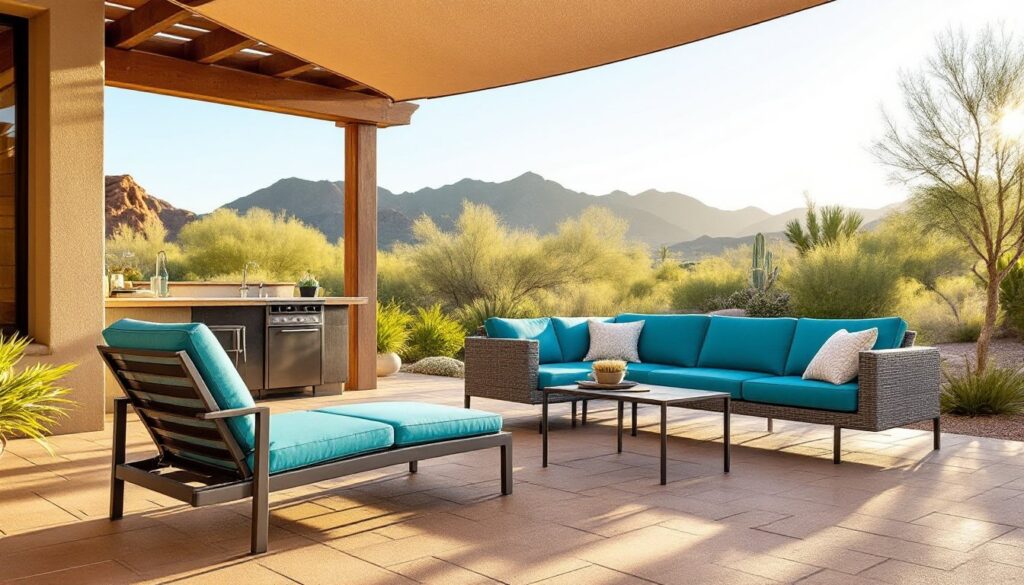
Iron furniture works across design aesthetics because its simplicity doesn’t compete with your vision. A wrought iron bistro set suits Mediterranean, farmhouse, or contemporary schemes equally well. Cast iron with ornate scrollwork leans toward traditional, Victorian, or eclectic boho aesthetics. The beauty is flexibility.
Scale matters more than most homeowners realize. A massive four-person dining set overwhelms a 6-by-8-foot patio: a 2-person bistro table on the same footprint feels intentional. Measure your space and visualize where furniture lives before ordering. Iron is heavy, moving it later isn’t a quick adjustment. Plan for flow: you need a clear path to house doors, and seating should face a focal point, whether that’s a view, a garden bed, or a fire pit.
Color coordination is straightforward. Black and bronze iron work with nearly every deck or patio material. If your space is heavily gray (composite decking, stone pavers), warmer bronze tones add visual warmth. Lighter-colored patios pair well with black iron for contrast. Cushions and throws bring color: iron’s neutral palette makes it a perfect anchor for textiles. Layer in outdoor rugs, planters, and lighting to complete the look.
For design inspiration, Southern Living and Houzz offer thousands of styled patio photos where iron furniture appears in real settings, not marketing renders. Browsing these sites helps you identify styles you’re drawn to and see how scale and spacing work in actual homes, not showrooms.
Budget-Friendly Shopping Tips and Where to Buy
Iron patio furniture pricing spans a wide range: basic wrought iron bistro sets start around $300–$500, while cast iron dining sets for six people run $1,500–$3,000. Higher-end artisan pieces exceed $5,000. Quality differences exist, but they’re not always proportional to price.
Focus on frame quality over brand names. Check welds: they should be smooth, consistent, and free of gaps. Joints should fit tightly, wobble at connection points signals poor manufacturing. Ask sellers or retailers about finish durability: a premium powder coat lasts longer than basic paint. If cushions are included, examine upholstery stitching and fabric weight: thin fabric fails after one season.
Buy seasonal when possible. April through June is peak patio furniture season, and retailers push inventory aggressively. August and September bring clearance discounts as summer winds down. January sales exist too, though selection is limited. Online retailers often beat showroom prices by 15–25% because overhead is lower, but factor in shipping costs on heavy items, a full dining set can cost $100–$300 to ship.
Local furniture stores, big-box retailers (Home Depot, Lowe’s), and online specialists (Wayfair, Amazon) all stock iron sets. Local is worth visiting for hands-on inspection and avoiding shipping hassles. Online offers broader selection and price comparison. Check return policies carefully, iron is heavy and pricey to return: make sure you’re confident before ordering.
Budget tip: Buy a frame now and cushions later if cash is tight. Quality iron frames hold their value: you can upgrade cushions or add pieces to a set over time. A weather proof outdoor furniture guide can help you understand which materials justify investment in your specific climate. Starting with core pieces and layering in accent chairs or side tables spreads costs across seasons.
Conclusion
Iron patio furniture sets deliver reliability, style, and lasting value that justify their upfront cost. Understanding the difference between wrought and cast iron, committing to basic maintenance, and choosing pieces that fit your space and aesthetic puts you on track for a patio you’ll enjoy for decades. Start with quality frames, protect the finish, and you’ll have furniture that ages beautifully rather than falling apart.