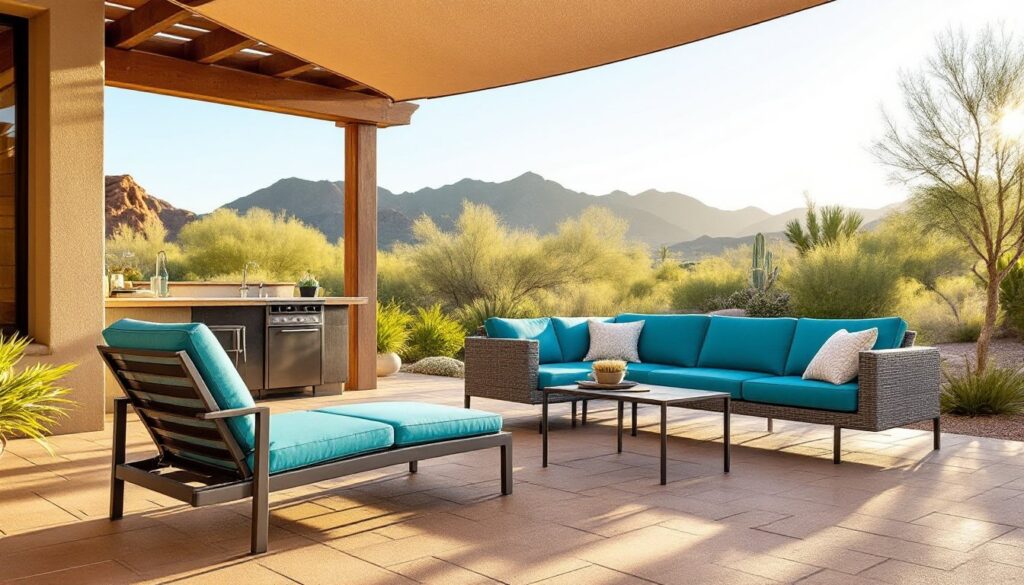
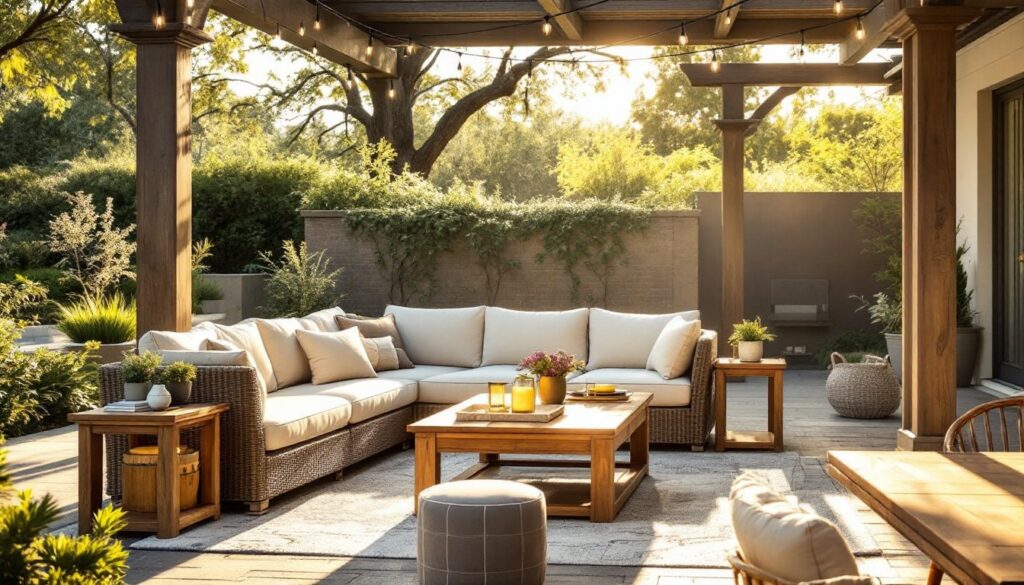
Your patio has potential you haven’t tapped yet. Whether you’ve got a small balcony or a sprawling deck, the way you arrange your patio furniture determines how, and how often, you actually use the space. Good furniture placement isn’t just about aesthetics: it’s about function. A poorly arranged patio becomes a storage area or unused eyesore. The right arrangement invites you outdoors and makes every gathering feel intentional. This guide walks you through practical patio furniture arrangement ideas that maximize your space, support the activities you actually do, and create an outdoor area that feels like an extension of your home.
Table of Contents
ToggleKey Takeaways
- Patio furniture arrangement ideas work best when you measure your space, note sunlight and wind patterns, and account for fixed features and load limits before moving a single piece.
- Create functional zones for dining, entertainment, and lounging with at least 8-10 feet of separation between zones to prevent activities from interfering with each other.
- Maintain clear traffic flow paths of 24-30 inches wide from entry points through your patio, and arrange seating in conversation clusters rather than linear rows to guide natural movement.
- Scale your furniture to fill 50-60% of your patio’s footprint, vary heights with different seating styles and vertical elements, and use lighting to define zones and extend usability into evenings.
- Rearrange existing furniture into intentional zones before buying new pieces, and prioritize quality investment in foundational items like dining tables and sectionals that anchor your outdoor space for years.
Assess Your Patio Layout and Available Space
Before moving a single chair, measure and document what you’re working with. Use a tape measure to capture your patio’s length and width, then mark fixed features: stairs, doors, corners that collect water pooling, and overhead elements like pergolas or overhangs. Draw a rough top-down sketch on paper or use a phone app to scale it accurately.
Note how sunlight moves across the space during the day. A shaded corner at 7 a.m. becomes brutally sunny by noon. Identify wind patterns too, patios near side yards or open exposures can get surprisingly gusty. Check your actual usable square footage by accounting for deck transitions and walking clearances.
Be honest about what you have. A 12-by-14-foot patio is workable but not sprawling: a 10-by-10-foot balcony requires ruthless editing. Take photos from multiple angles to see sightlines from indoors. Look at what surfaces you’re anchoring to: concrete takes weight differently than composite decking, and some decks have load limits that matter if you’re adding heavy stone or multiple large seating pieces.
Once you know your footprint and constraints, you’re ready to arrange intentionally instead of guessing.
Create Functional Zones for Different Activities
The secret to a successful patio is separating activities into distinct zones rather than scattering furniture randomly. Even on a small deck, you can carve out areas for dining, lounging, and circulation without it feeling cramped. Think of it like rooms: each zone has a purpose and its own focal point.
Dining and Entertainment Areas
Dining zones need a table centered in the space with comfortable clearance for pulling chairs in and out. Aim for at least 36 inches of walking space on all sides of a dining table, more if you host frequently. A rectangular 6-person table (typically 36 by 72 inches) works in tighter quarters than a round one, but rounds encourage conversation. Position your table to face a view if you have one, or orient it toward the house entrance for natural sightlines.
If your patio doubles as an entertainment zone, keep seating flexible. Pair your dining table with a nearby lounge area by adding a side table or console between them, this creates visual separation while maintaining flow. Avoid pushing dining furniture against railings or walls: floating it slightly in the space makes the area feel intentional and less cramped. For gatherings, ensure you can pull chairs from the lounge zone into the dining area without rearranging everything.
Lounge and Relaxation Spaces
Lounge zones anchor around a focal point: a fire table, a coffee table, or simply the best view on your patio. Arrange seating to face inward, creating conversation areas rather than rows. Two chairs angled toward each other with a small side table (18-24 inches wide) between them work beautifully in moderate spaces. For larger patios, a sectional or L-shaped configuration gives flexibility and encourages gathering without feeling like a formal living room.
Keep lounge furniture intentionally separate from dining, at least 8-10 feet apart if space allows, so lingering at a fire table doesn’t interfere with table clearance. Layer in shade with umbrellas or pergolas above seating to extend usability into hot months. Weather proof outdoor furniture performs better in this zone since lounge pieces spend more continuous time outdoors than seasonal dining setups.
Arrange Furniture to Maximize Traffic Flow
Traffic flow is invisible until it’s broken. Poor arrangement forces guests to squeeze past a lounge chair or navigate around table corners awkwardly. Good flow feels effortless and goes unnoticed. Start by identifying the natural entry points to your patio, usually a door or set of stairs, and trace how people naturally move through the space.
Create a clear, unobstructed path from entry points to all zones. This “highway” should be at least 24-30 inches wide and shouldn’t require stepping over cushions or dodging chair legs. A straight sightline from the house to the farthest corner of the patio also makes the space feel larger and more inviting.
Arrange seating in conversation clusters rather than a single lineup. When chairs face each other in small groupings, traffic naturally flows around the group rather than through it. Avoid creating dead zones by blocking corners with furniture: instead, use corners for accent pieces like planters or a small potting table.
If you have a sectional, position it at an angle rather than flush against a wall, this creates a subtle circulation barrier while keeping the space open. Rectangular and linear arrangements feel choppy: curves and clusters invite wandering and conversation. Test the layout in real time by walking through it and moving as if reaching for a drink or heading to a conversation group: if you’re holding your breath or sidestepping, adjust.
Style and Design Principles for Cohesive Arrangements
Once function is solid, cohesion ties everything together visually. Start with a color or material anchor, perhaps your existing lounge sectional or an umbrella frame, and build from there. Repeating two or three materials across zones (say, teak and charcoal cushions) makes the patio feel intentional even if pieces aren’t brand-matched.
Scale matters more than you’d think on smaller patios. Oversized lounge chairs and dining tables with heavy frames can overwhelm a 10-by-12-foot deck: mid-scale pieces or streamlined designs feel more balanced. Conversely, tiny bistro chairs on a sprawling 20-by-20-foot patio look lonely and scattered. Your furniture should fill roughly 50-60% of your patio’s footprint, leaving breathing room without looking sparse.
Height variation prevents a flat, monotonous look. Pair low lounge chairs with taller bistro-height tables, use differing armrest heights, and layer in a tall planter or pergola. Patio furniture arrangements that feel dynamic include vertical interest, whether through furnishings or overhead elements.
Lighting extends usability into evenings and reinforces zones. Pendant lights or a chandelier over a dining table define that zone instantly: sconces flanking a lounge area or string lights draped overhead create intimacy. Solar and low-voltage LED options simplify installation and reduce ongoing costs. Place accent lighting to highlight focal points rather than washing everything in flat light.
Accessories ground each zone without clutter. A side table with a potted plant, a throw blanket on a lounge chair, or a simple centerpiece on a dining table invites relaxation and signals intentionality. One or two well-chosen pieces per zone work better than scattered items.
Budget-Friendly Arrangement Solutions
A great patio arrangement doesn’t require replacing everything or spending a fortune. Often, rearranging what you already have yields dramatic improvements. Before buying new furniture, move existing pieces into intentional zones and live with the layout for a week to spot genuine gaps.
If you need to add pieces, prioritize strategically. A high-quality dining table and chairs with durable cushions (whether new or well-maintained vintage finds) anchor a patio for years. Secondary pieces, side tables, lounges, accent chairs, can be simpler or mixed-and-matched. Online marketplaces and local secondhand sources often have solid mid-range furniture at a fraction of retail: inspect for rot, corrosion, and structural soundness before committing.
Phased purchasing works. Start with foundational pieces that define your zones: dining table, primary lounge seating. Add secondary elements, side tables, a small bar cart, storage benches, over months as budget allows. This approach also lets you test what layout actually works for your household rather than guessing.
Alternatives to expensive built-ins include floating shelves for accent storage, potted plants for color and texture variation, and simple wooden pallets or outdoor rugs to define zones. Outdoor furniture arrangements demonstrate how thoughtful placement of modest pieces creates polished, inviting spaces.
Budget-conscious doesn’t mean cheap. One durable sectional with washable cushion covers outlasts three bargain sets. Investment in quality hardware finishes, stainless-steel fasteners, powder-coated frames, prevents rust and extends furniture lifespan, spreading cost over years rather than seasons. Likewise, a good outdoor rug (12-by-8 feet or smaller to fit your zone) unifies seating and costs less than replacing a worn lounge chair.