
Mold might seem like the uninvited guest that just won’t leave the party, but it’s time to kick it out for good. This pesky fungus not only ruins your home’s vibe but also poses serious health risks. If you’ve ever caught a whiff of that musty odor or spotted those unsightly black patches, you know it’s time to take action.
What Is Mold Remediation?
Mold remediation refers to the process of identifying, removing, and preventing mold growth in indoor environments. This process often involves a detailed inspection to locate the source of moisture, as mold thrives in damp areas. Professionals typically use specialized equipment to help contain and eliminate mold effectively.
During remediation, contractors will generally remove affected materials such as drywall, carpets, or insulation. They use techniques like HEPA vacuuming to ensure that spores do not spread to unaffected areas. Air quality testing may follow to confirm that mold levels have returned to a safe standard.
Mold remediation can also include the application of antimicrobial treatments. Such treatments help inhibit future mold growth on surfaces. Building owners often find that preventative measures, such as improving ventilation, significantly reduce the likelihood of recurrence.
After remediation, inspections ensure all areas are clear of mold and moisture. Homeowners might receive recommendations on maintaining a clean environment. Regular maintenance often involves monitoring humidity levels and repairing leaks promptly.
Cost estimates for mold remediation typically range from $500 to $6,000, depending on the extent of the problem. Engaging a certified mold remediation professional can save time and resources in the long run. Effective remediation protects health by reducing allergens and toxins present in mold, creating a safer indoor space.
Importance Of Mold Remediation
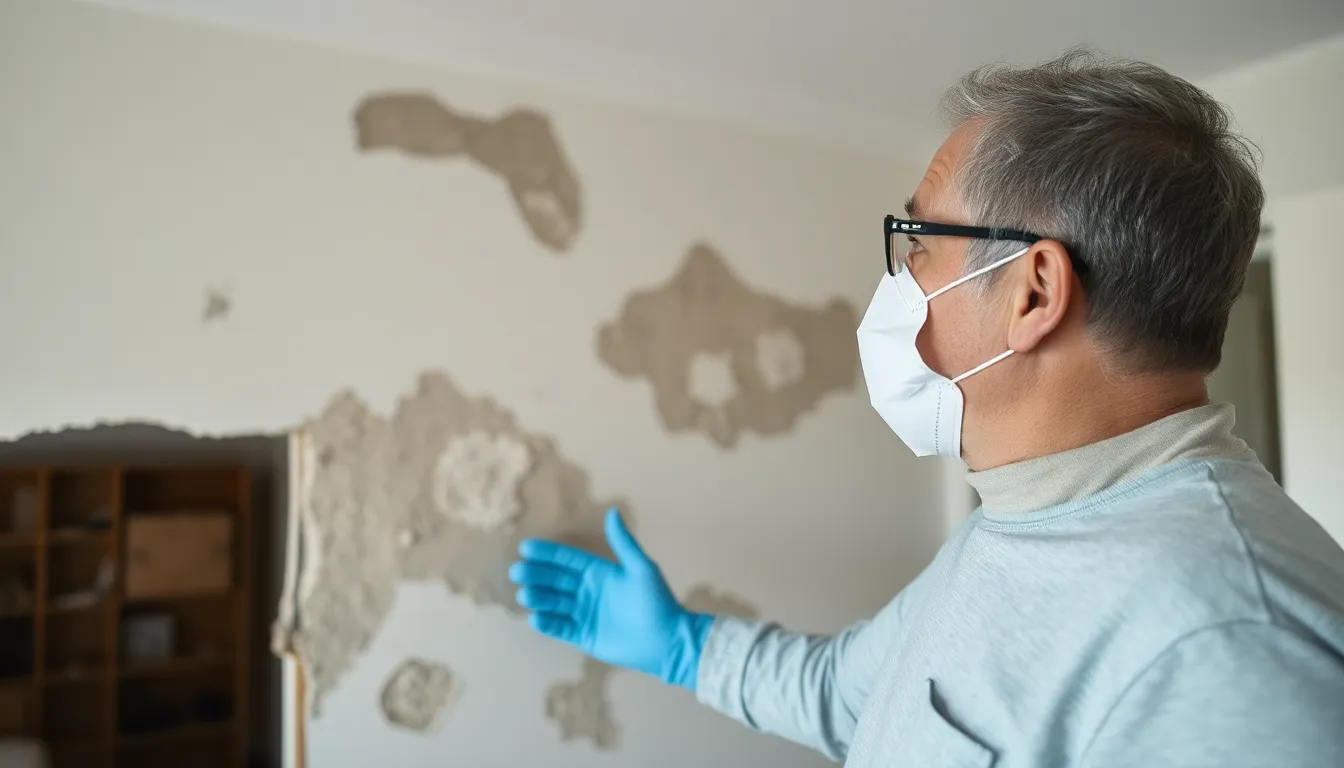
Mold remediation plays a crucial role in maintaining indoor air quality and overall health. It addresses health risks and structural damage associated with mold presence.
Health Risks Associated With Mold
Mold exposure can lead to various health issues, particularly for vulnerable individuals, including those with asthma or allergies. Symptoms range from respiratory problems to skin irritation and fatigue. Prolonged exposure increases the potential for more severe reactions, like chronic sinusitis or neurological issues. They include headaches, memory loss, and difficulty concentrating. Reducing mold levels significantly lowers the risk of these health challenges. Implementing mold remediation ensures a safer living environment for everyone, emphasizing the need for prompt intervention when mold is detected.
Structural Damage Caused By Mold
Mold can severely compromise a building’s structure, leading to costly repairs. It can infest materials like wood, drywall, and insulation, causing deterioration over time. They may rot or weaken, creating instability in walls or floors. Visible patches indicate extensive damage, and moisture can promote further infestations, aggravating structural weaknesses. Addressing mold issues through remediation can preserve property value and avoid significant renovation costs. Maintaining a mold-free environment promotes safety and longevity in residential and commercial buildings.
Mold Remediation Process
The mold remediation process involves several critical steps aimed at effectively eliminating mold from indoor environments. Each stage addresses different aspects of mold growth and ensures a comprehensive approach to remediation.
Initial Assessment
An initial assessment identifies the extent of mold contamination. Professionals conduct a thorough inspection to find visible mold and moisture sources. Tools like moisture meters help determine humidity levels, which contribute to mold growth. Assessment results guide subsequent remediation steps. The identification phase allows for tailored strategies based on the specific conditions present in each affected area.
Containment Measures
Containment measures play a vital role in preventing mold spores from spreading. Engineers set up barriers, such as plastic sheeting, around contaminated areas. Negative air pressure systems often help filter the air and capture airborne spores. These measures minimize the risk of cross-contamination to unaffected spaces. Workers use personal protective equipment (PPE) to ensure safety during cleanup, reducing exposure to harmful spores.
Removal Of Mold
Removal of mold involves various techniques tailored to the materials affected. Professionals often discard items like carpets and drywall that are heavily contaminated. In cases where surfaces can be salvaged, specialized tools and antimicrobial products are used. Cleaning with HEPA vacuuming captures mold spores effectively. Successful removal relies on thoroughness to ensure no residual spores remain.
Cleaning And Disinfection
Cleaning and disinfection follow the mold removal process. Technicians apply antimicrobial solutions to surfaces for effective mold prevention. This practice inhibits future mold growth, protecting the indoor environment. Following surface treatments, thorough cleaning of tools and equipment is essential to maintain hygiene standards. Confirming the cleanliness of the area ensures a safe and healthy living space post-remediation.
Preventative Measures For Mold Growth
Preventing mold growth requires proactive steps to control moisture in indoor environments. Maintaining low humidity levels is essential, with an ideal range set between 30% and 50%. Dehumidifiers can effectively manage moisture, especially in damp areas like basements.
Regularly inspecting for leaks helps in identifying and addressing sources of water intrusion. Roofs, gutters, and plumbing systems should be checked frequently to prevent water damage. Ensuring proper ventilation in bathrooms and kitchens encourages air circulation, reducing humidity buildup.
Using mold-resistant materials during construction or renovation supports long-lasting protection against mold. Products like mold-resistant drywall and paints can deter growth in susceptible areas. Sealing cracks and openings in walls and foundations limits moisture ingress, enhancing overall protection.
Cleaning and maintaining HVAC systems is vital. Regular filter changes and professional cleanings prevent mold spores from circulating in the air. Additionally, placing exhaust fans in high-moisture areas can expel humid air outside.
Keeping indoor spaces clutter-free promotes airflow, reducing moisture retention in corners and hidden areas. Fostering an environment where air can flow discourages mold growth.
Storing items properly, especially in basements and attics, helps mitigate mold risks. Using airtight containers for susceptible items minimizes exposure to moisture and humidity. Regularly monitoring indoor plants keeps overwatering in check, as excess moisture can foster mold growth.
Taking these preventative measures significantly lowers the likelihood of mold occurrences. By remaining vigilant and proactive, residents can maintain a healthy indoor environment and protect their health and property.
Mold remediation is essential for ensuring a safe and healthy living environment. By addressing mold issues promptly, homeowners can prevent serious health risks and structural damage. The process involves careful inspection and specialized techniques to eliminate mold effectively while also implementing measures to prevent future growth.
Maintaining proper humidity levels and improving ventilation are key steps in safeguarding against mold. Regular maintenance and the use of mold-resistant materials can further enhance protection. Investing in professional remediation not only protects health but also preserves property value. Taking proactive measures today can lead to a healthier indoor space tomorrow.


